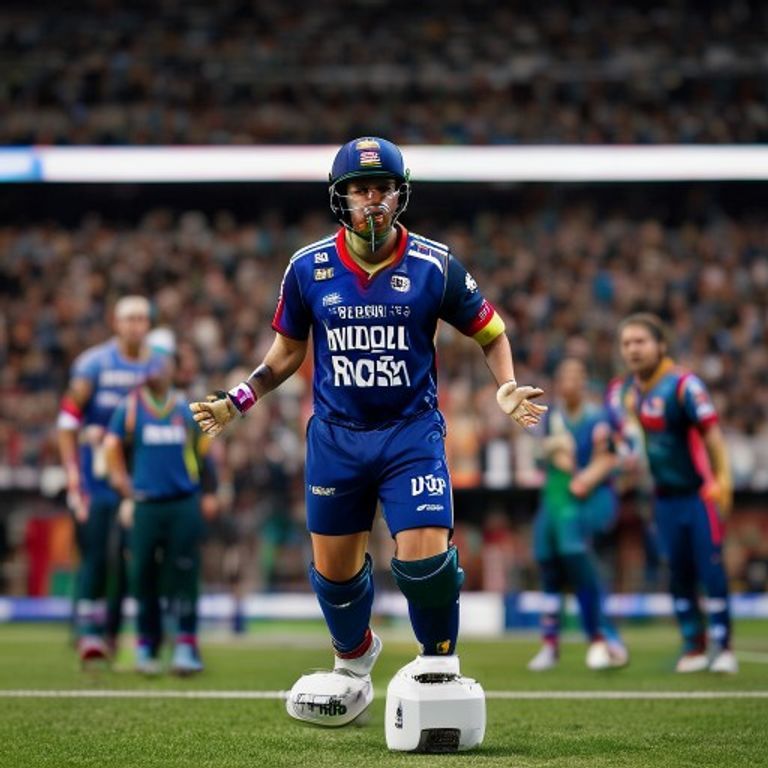
The Unpredictable Spectacle: IPL Auction – Where Dreams Are Forged and Hearts Are Broken
The crackle in the air, the rapid-fire bids, the thud of the gavel, and the collective gasp from millions of fans worldwide – there’s nothing quite like the IPL auction. It’s not just an event; it’s a high-stakes drama, a gladiatorial arena where fortunes are made and shattered in a matter of seconds. For a few intense hours, the cricketing world holds its breath, witnessing million-dollar shocks and unbelievable snubs that redefine careers, reshape franchises, and ignite endless debates.
From the moment the initial player list is announced to the final hammer fall, the IPL auction is a masterclass in strategy, psychology, and sheer unpredictability. It’s where raw talent meets cold, hard cash, where established legends face the harsh realities of changing team dynamics, and where relatively unknown youngsters can suddenly become overnight millionaires. This isn’t just about buying cricketers; it’s about assembling a jigsaw puzzle under immense pressure, with billions of rupees and the hopes of millions riding on every single bid.
But what truly makes the IPL auction such a compelling spectacle? Is it the sheer volume of money involved, the celebrity owners, or the underlying strategic battles? It’s all of that and more. It’s the human element – the dreams, the aspirations, the anxieties – that transforms a commercial transaction into one of the most anticipated and talked-about events in the global cricketing calendar. In this comprehensive deep-dive, we’ll pull back the curtain on the IPL auction, exploring the intricate factors that lead to those jaw-dropping bids and the heartbreaking moments when even the biggest names are left without a buyer.
The Theatre of Dreams and Despair: What Makes the IPL Auction So Electrifying?
At its core, the IPL auction is a unique confluence of sport, entertainment, and business. Unlike traditional drafts in many American sports where teams pick players in a predetermined order, the IPL bidding process is an open-cry auction, creating an immediate, visceral sense of competition. Each franchise, armed with a fixed purse, must outmanoeuvre its rivals to secure the players they believe will bring them glory.
The stakes are astronomically high. For players, it’s a life-altering event. A successful bid can mean financial security for generations, a platform to showcase their talent on a global stage, and the opportunity to play alongside and against the world’s best. For the franchises, it’s about building a winning combination, justifying their investments to owners and fans, and laying the groundwork for a successful season. The pressure is immense, not just on the auctioneer, but on every member of the team management sitting at those tables.
What truly sets the IPL auction apart is its democratic, yet brutal, nature. Every player, from the most decorated international captain to the promising local talent, enters the same pool. Their fate is then decided by the collective needs, strategies, and financial muscle of the ten franchises. This creates an environment ripe for both incredible highs and profound lows, making it an unmissable event for any cricket enthusiast. The unpredictability of the player bidding process ensures that no two auctions are ever the same, keeping fans on the edge of their seats year after year.
Decoding the “Million-Dollar Shocks”: When the Hammer Falls for Astronomical Sums
The phrase “million-dollar player” has become synonymous with the IPL, but what drives a franchise to shell out such exorbitant sums for a single cricketer? It’s rarely a simple decision; rather, it’s a complex interplay of scouting intelligence, strategic necessity, psychological warfare, and often, a dash of emotional bidding. These “shocks” are the headline-grabbers, the moments that send social media into a frenzy and fuel endless discussions about value and potential.
The Allure of Uncapped Potential: Betting on the Future
One of the most fascinating aspects of the IPL auction is the willingness of franchises to invest heavily in uncapped players – those who haven’t yet represented their national team. This isn’t just blind faith; it’s a calculated risk based on extensive scouting, a keen eye for raw talent, and a belief in future potential. These players often come with lower base prices, but their value can skyrocket if multiple teams identify them as future stars or specialist role-players.
Consider the likes of Varun Chakravarthy, a mystery spinner who went from a relatively unknown entity to a multi-crore acquisition for Kings XI Punjab (now Punjab Kings) and later Kolkata Knight Riders. His unique bowling action and variations made him a hot commodity, proving that franchises are constantly seeking an edge, a differentiator. Similarly, the likes of Shahrukh Khan, a powerful finisher, and Avesh Khan, a genuine fast bowler, have seen their prices soar due to their specific skill sets and the scarcity of such talent. These players represent a blend of affordability (initially) and high upside, making them attractive prospects for teams looking to build for the long term or fill a very specific gap. The art lies in identifying these diamonds in the rough before others do.
The Bidding War Phenomenon: Escalation and FOMO
Perhaps the most dramatic catalyst for a “million-dollar shock” is the bidding war. This occurs when two or more determined franchises lock horns, refusing to back down, often driving a player’s price far beyond initial expectations. The psychology here is fascinating: it’s a blend of competitive instinct, the fear of missing out (FOMO) on a target player, and sometimes, a bit of ego.
We’ve seen this play out repeatedly. Pat Cummins, the Australian pace spearhead, became the most expensive overseas player in IPL history (at the time) when KKR and DC engaged in a fierce battle, pushing his price to INR 15.5 crore in 2020. A few years later, Chris Morris surpassed him, fetching INR 16.25 crore from Rajasthan Royals after an intense tussle. More recently, Sam Curran (INR 18.5 crore to Punjab Kings) and Cameron Green (INR 17.5 crore to Mumbai Indians) became the most expensive players in IPL history, a testament to how bidding wars can escalate rapidly, especially for genuine all-rounders – a rare commodity in T20 cricket.
The phenomenon of ‘escalation of commitment’ often plays a role here. Once a team has invested a significant amount, they become more reluctant to pull out, fearing that their previous bids will be seen as wasted. This can lead to a ‘winner’s curse’ where the victorious bidder might have overpaid, but in the heat of the moment, securing the player seems paramount. These battles are not just about money; they are about pride and the perceived necessity of acquiring a particular asset.
Specific Team Needs & Gaps: The Right Player at the Right Time
Sometimes, a player’s value isn’t just about their individual brilliance, but how perfectly they fit a specific team’s needs. A franchise might have a strong batting lineup but lack a death bowler, or a formidable bowling attack but need a power-hitter in the middle order. When a player who perfectly fills that void comes up for auction, their price can surge because the demand for that *exact* skill set is incredibly high for that particular team.
For instance, genuine all-rounders who can bat in the top six and bowl four crucial overs are always gold dust. Hardik Pandya, Ben Stokes, and Shane Watson have historically commanded huge prices because they offer invaluable balance to any squad. Similarly, a reliable Indian wicketkeeper-batsman, a rare breed, often sees intense competition. Ishan Kishan’s record-breaking INR 15.25 crore price tag from Mumbai Indians in 2022 was a prime example of a team desperately needing to secure a specific, high-impact Indian talent who could open, keep wickets, and provide explosive starts. His previous success with MI also meant they valued him highly and were willing to go all out to bring him back into their fold.
Recency Bias & Tournament Form: Riding the Wave of Performance
Cricket, like any sport, is heavily influenced by recent performances. A player who has just had a stellar season in another T20 league, or performed exceptionally well in an international series leading up to the IPL auction, often finds themselves in high demand. This ‘recency bias’ can significantly inflate a player’s perceived value, even if their long-term statistics might not entirely justify the price.
Take the example of players who perform well in the Big Bash League (BBL) or the Caribbean Premier League (CPL) just before the auction. Their form is fresh in the minds of scouts and team management, leading to aggressive bidding. Similarly, a breakout performance in a T20 International series can turn an unknown into a hot property. While this can sometimes lead to shrewd acquisitions, it also carries the risk of overpaying for a player whose purple patch might be temporary. Teams need to balance recent form with a player’s overall consistency and suitability for Indian conditions, but in the heat of the auction, the most recent memory often holds significant sway.
The Agony of the “Unbelievable Snubs”: When Icons Go Unwanted
For every player who experiences the euphoria of a multi-crore bid, there are others, sometimes even celebrated international stars, who face the crushing disappointment of going unsold or fetching a price far below their perceived worth. These “unbelievable snubs” are equally, if not more, impactful than the shocks, reminding everyone of the brutal realities of the IPL auction.
The Harsh Realities of Age and Form: Time Catches Up
One of the most common reasons for an established player to go unsold is the twin factors of age and declining form. T20 cricket is a young man’s game, demanding peak fitness, explosive power, and razor-sharp reflexes. As players enter their mid-thirties, even legends can find their market value diminishing rapidly. Franchises are often reluctant to invest heavily in players who might be past their prime or whose fitness could be a concern over a grueling two-month tournament.
Suresh Raina, fondly known as ‘Mr. IPL’ for his incredible consistency with Chennai Super Kings, going unsold in the 2022 mega auction was a genuine shock for many. Despite his immense legacy and experience, his recent form and age likely played a role in teams passing him over. Similarly, players like Aaron Finch, a World Cup-winning captain, and Steve Smith, one of the modern greats, have found themselves either unsold or picked up for surprisingly low prices in various auctions. While their class is undeniable, their T20 strike rates or perceived lack of dynamism in the shortest format can make them less attractive options for teams prioritizing explosive hitting and athleticism. It’s a harsh reminder that in the IPL, reputation only takes you so far; current form and future potential often weigh heavier.
Base Price Dilemmas: A Double-Edged Sword
Every player sets a base price – the minimum amount they are willing to be sold for. While a high base price signals confidence and a player’s perceived value, it can also be a double-edged sword. Setting it too high can price a player out of the market, especially if there isn’t significant demand or if franchises feel they can get similar talent for less.
Players with high base prices who go unsold often leave fans wondering if they would have been picked if they had opted for a lower figure. Conversely, a low base price can attract initial bids and spark a bidding war, ultimately leading to a higher final price. It’s a strategic decision for players and their agents, balancing the desire for a lucrative contract with the risk of being overlooked entirely. Sometimes, even world-class players, confident in their abilities, set a base price that simply doesn’t align with the market’s perception of their current T20 utility, leading to an unexpected snub.
Squad Composition & Overseas Slots: The Numbers Game
The IPL auction is a numbers game, and nowhere is this more evident than with overseas players. Each team can only play a maximum of four foreign players in their starting XI, and their overall squad limit for overseas players is also capped. This creates intense competition for these coveted slots. A team might already have four or five excellent foreign players, meaning they have little to no room for another, regardless of how good that player is.
This scenario often leads to world-class overseas players going unsold because teams simply don’t have a spot for them. A prime example is when multiple top-tier leg-spinners are available, but most teams already have a quality spinner or have filled their overseas quota with other specialists. Mujeeb Ur Rahman, a highly-rated Afghan spinner, has faced this challenge in past auctions, despite his talent. Adil Rashid, another excellent white-ball spinner, has also struggled to consistently find a home in the IPL due to the intense competition for overseas bowling slots. Franchises prioritise balance, and sometimes, even a top-performer just doesn’t fit the existing puzzle.
The Supply-Demand Imbalance: Too Many of a Kind
Another factor contributing to snubs is a simple case of supply and demand. If the auction pool is flooded with players of a similar skill set – for example, a large number of middle-order Indian batsmen, or several overseas fast bowlers – then some will inevitably go unsold. Teams can only pick a certain number of players, and if there are many viable options for a particular role, those who are not perceived as the absolute best or most unique might be overlooked.
This often happens with players who are solid, consistent performers but perhaps lack the “x-factor” or specialist skill that makes them stand out in a crowded market. Franchises are looking for game-changers, and if a player is seen as merely “filling a spot” without offering something truly exceptional, they might struggle to attract bids, especially if there are cheaper or more exciting alternatives available. The IPL bidding strategy is all about finding value, and sometimes, that means passing on good players if better or more cost-effective options exist.
Inside the War Room: The Chess Match of IPL Auction Strategy
Behind every bid and every paddle raise is months, sometimes even years, of meticulous planning, scouting, and strategic deliberation. The IPL auction isn’t just a spontaneous event; it’s a carefully orchestrated chess match played out by some of the sharpest cricketing and business minds.
Purse Management & Budget Allocation: The Balancing Act
Each franchise starts with a fixed purse (e.g., INR 90-100 crore in recent auctions). Managing this budget effectively is paramount. Teams must decide how much to allocate to retentions, then strategically divide the remaining funds across various player categories – core players, specialist bowlers, power-hitters, all-rounders, and backup options.
The challenge lies in not overspending early on, leaving enough in the tank for crucial players later, while also ensuring key targets aren’t missed. Teams often have an internal cap for each player, but these limits can be stretched during intense bidding wars. The auction room becomes a live budgeting exercise, with analysts constantly updating the remaining purse and advising on potential future bids. A misstep in purse management can leave a team with a strong top order but no specialist death bowlers, or vice versa, severely impacting their season.
The Player Matrix & Target Lists: Precision Planning
Long before the auction day, franchises create elaborate “player matrices” and target lists. These are meticulously compiled databases of hundreds of players, categorised by skill set, base price, recent form, injury history, and even personality traits. Each player is assigned a priority level, and teams often have a “Plan A,” “Plan B,” and even “Plan C” for each slot they need to fill.
Data analytics plays a huge role here, with teams employing dedicated analysts to crunch numbers, identify trends, and predict player valuations. Scouts travel the world, watching domestic leagues and unearthing hidden gems. This detailed preparation ensures that when a player’s name comes up, the team already has a clear idea of their value, their fit, and how much they are willing to bid. It’s a testament to the professionalism and scientific approach that now underpins IPL team strategies.
Mock Auctions & Role-Playing: Rehearsing for Reality
To prepare for the high-pressure environment of the live auction, many franchises conduct mock auctions. These simulated scenarios allow team management, coaches, and owners to practice their bidding strategies, anticipate rival bids, and identify potential pitfalls. They role-play, with different individuals acting as representatives of other franchises, trying to outbid each other for key players.
This rehearsal helps teams fine-tune their communication, understand the auction dynamics, and make quick, informed decisions when the actual event unfolds. It’s about building muscle memory for the rapid-fire decision-making required, ensuring that emotions don’t override well-thought-out plans. These mock sessions also help in identifying potential blind spots or areas where their initial strategy might be vulnerable.
The Art of Bluff and Deception: Psychological Warfare
The IPL auction is as much a psychological battle as it is a financial one. Teams often try to mislead rivals, either by showing exaggerated interest in a player they don’t truly want (to drive up the price for a competitor) or by feigning disinterest in a player they desperately covet. The subtle cues – a slight delay in raising the paddle, a quick glance at a rival table, a whispered conversation – are all part of the theatre.
Some teams might deliberately bid up a player’s price only to pull out at the last moment, forcing a rival to overspend. Others might wait patiently, allowing other teams to exhaust their purse on big names, before swooping in for value buys. The auctioneer, Hugh Edmeades or Charu Sharma, often plays a crucial role in managing this dynamic, ensuring fairness while adding to the drama. It’s a fascinating game of poker, where every facial expression and gesture can be scrutinised for clues.
Mega Auction vs. Mini Auction: Different Stakes, Different Dynamics
The IPL auction comes in two main formats, each with its own unique dynamics and strategic implications: the Mega Auction and the Mini Auction.
A **Mega Auction** typically occurs every three to four years. In this format, most players are released back into the auction pool, and franchises have to rebuild their squads almost from scratch. They are usually allowed to retain a limited number of players (e.g., 3-4), but the vast majority of their squad needs to be assembled through fresh IPL bidding. The stakes here are incredibly high, as teams are essentially defining their core for the next 3-4 seasons. This is where the biggest shocks and snubs often occur, as entire team compositions are reshaped, and new rivalries are forged. Purse management is critical, and identifying long-term potential becomes even more important.
A **Mini Auction**, on the other hand, happens in the years between Mega Auctions. Here, teams mostly retain their existing squads and release only a few players. The auction pool is smaller, consisting of released players, new talent, and those who went unsold in previous auctions. The focus shifts to filling specific gaps, finding backups, or upgrading certain positions. While still capable of producing big bids and surprises, the overall impact on team composition is less drastic than a Mega Auction. The available purse for teams is also generally smaller, as they haven’t had to rebuild entirely. Both formats, however, contribute to the continuous evolution and excitement of the IPL.
The Human Element: Dreams Made and Shattered
Beyond the numbers and strategies, the IPL auction is profoundly human. For the players, it represents the culmination of years of hard work, sacrifice, and dedication.
For those who secure lucrative contracts, it’s a life-changing moment. The millions of dollars can provide financial security for their families, allow them to pursue better training facilities, and open doors to further opportunities. The sheer joy and relief visible on their faces, or the emotional phone calls with family members, are powerful reminders of what’s truly at stake. It’s a validation of their talent and a passport to a global stage.
Conversely, for those who go unsold, especially established players or promising youngsters who had high hopes, the experience can be devastating. The public nature of the auction means their rejection is witnessed by millions, leading to immense disappointment and self-doubt. It can be a career-altering setback, forcing players to re-evaluate their strategies, work harder, or even consider alternative paths. The mental toll can be significant, highlighting the brutal reality that even in a glamorous league like the IPL, not everyone gets a fairytale ending.
The auction also impacts fans deeply. They cheer for their favourite teams, hoping to see their beloved players retained or new stars acquired. The shared experience of watching the auction, debating the bids, and celebrating or commiserating with fellow supporters adds another layer of engagement, making the IPL not just a cricket tournament but a cultural phenomenon.
How to Follow the IPL Auction Like a True Expert (Actionable Advice)
Want to elevate your IPL auction experience beyond just watching the big bids? Here’s how you can follow it like a seasoned expert, anticipating the moves and understanding the underlying strategies:
- Research Team Squads & Remaining Purses: Before the auction begins, familiarise yourself with each team’s retained players and their remaining purse. This gives you a clear picture of their financial muscle and the number of slots they need to fill. Many sports websites and official IPL channels release this information well in advance.
- Identify Key Positions Each Team Needs to Fill: Based on their retentions, identify obvious gaps in each team’s squad. Does RCB need a death bowler? Does Punjab Kings need a solid Indian middle-order batsman? Understanding these needs will help you predict which players they might target aggressively.
- Track Player Form Leading Up to the Auction: Keep an eye on domestic T20 leagues (like the Syed Mushtaq Ali Trophy in India, BBL, CPL) and international T20 series in the months leading up to the auction. Players in red-hot form are often the ones who attract surprising bids.
- Understand Base Price Dynamics: Pay attention to the base price categories. Players often group themselves into specific tiers (e.g., INR 2 crore, INR 1.5 crore, INR 50 lakh). A player with a low base price might be a steal if they go unnoticed, while a high base price can indicate confidence but also risk.
- Look for Uncapped Players with High Potential: Don’t just focus on the international stars. Read up on promising uncapped Indian players. These are often the “million-dollar shocks” of the future, and identifying them early can be very satisfying. Pay attention to their specific skills – a left-arm pacer, a leg-spinner, a power-hitter.
- Follow Expert Analyses and Live Updates: Tune into pre-auction shows, read articles from reputable cricket journalists, and follow live blogs during the auction. Experts often have inside information or a deeper understanding of team strategies that can enrich your viewing experience.
- Anticipate Bidding Wars: Identify players who are likely to be in high demand (e.g., genuine all-rounders, quality Indian fast bowlers, specialist finishers). These are the players most likely to spark intense bidding wars and drive up prices.
- Observe the Flow of the Auction: Notice how teams’ strategies evolve. Do they spend big early? Or do they hold back, waiting for value buys later in the day? The auction often has distinct phases, and understanding them helps in predicting outcomes.
By adopting these strategies, you’ll move from being a passive observer to an active participant, capable of dissecting the strategies, predicting the outcomes, and appreciating the intricate dance of the IPL auction.
Conclusion: The Enduring Magic of the IPL Auction
The IPL auction is more than just a player selection process; it’s a grand annual tradition, a cultural touchstone that encapsulates the very essence of the Indian Premier League. It’s a powerful narrative of ambition, risk, reward, and sometimes, heartbreaking disappointment. From the electrifying tension of a bidding war pushing a player into the multi-crore bracket to the collective gasp when a cricketing legend goes unsold, every moment is imbued with drama.
It’s a testament to the league’s financial prowess, its strategic depth, and its unwavering ability to captivate audiences worldwide. The IPL auction is where the foundations of future champions are laid, where new heroes are born, and where the dreams of countless cricketers are either realised or put on hold. It’s a brutal, beautiful, and utterly compelling spectacle that reminds us why the Indian Premier League remains at the pinnacle of T20 cricket. As the gavel falls, season after season, it signals not just the end of an auction, but the beginning of another thrilling chapter in the IPL saga, leaving us eagerly awaiting the next instalment of million-dollar shocks and unbelievable snubs. The magic of the IPL auction is truly unparalleled, and its hold on the cricketing world only grows stronger with each passing year.