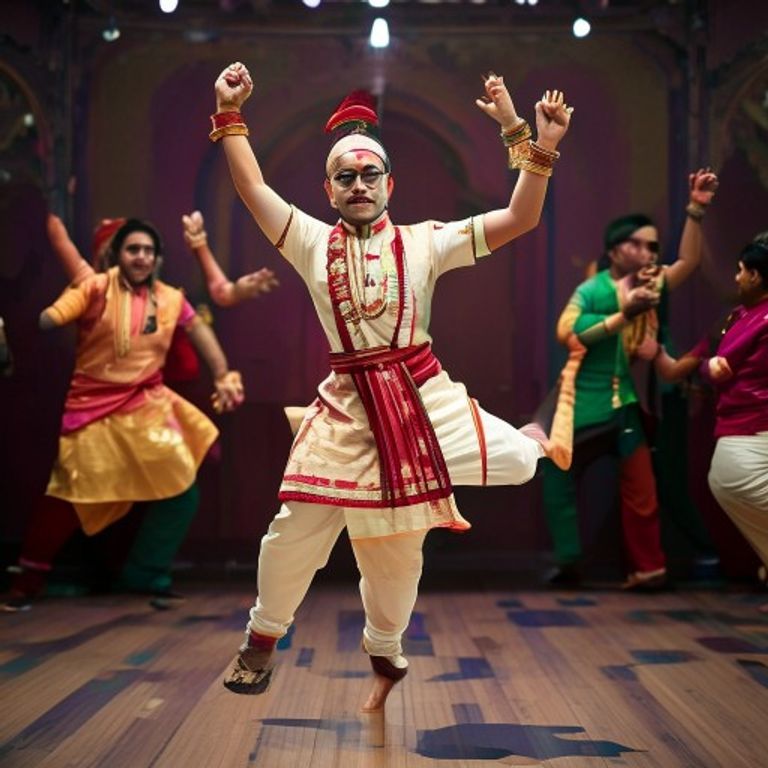
In an age where information travels at the speed of light and every public moment of a prominent figure is dissected, shared, and often immortalized online, certain phenomena capture the collective imagination in ways few could predict. One such captivating trend that has swept across the Indian internet, and indeed, resonated with the global Indian diaspora, is the unexpected and often delightful appearance of Prime Minister Narendra Modi dancing. Yes, you read that right! We’re talking about the viral videos that have people excitedly searching for modi ji ka dance dikhao, turning what might seem like a simple cultural participation into a digital sensation, a meme, and even a topic of serious discussion.
The phrase “Modi Ji Ka Dance: Viral Videos Jo Internet Par Macha Rahe Hain Dhamal!” (Modi Ji’s Dance: Viral Videos That Are Creating a Stir on the Internet!) perfectly encapsulates this fascinating trend. It’s not just about a political leader moving to a beat; it’s about the breaking of traditional molds, the humanization of power, and the sheer joy of an unexpected moment. These aren’t choreographed performances designed for a stage; rather, they are often spontaneous, heartfelt, and deeply rooted in cultural contexts, making them all the more authentic and, consequently, viral. So, buckle up, because we’re about to take a deep dive into this intriguing world, exploring why these videos resonate so strongly, what they signify, and how they’ve become an integral part of our digital discourse.
The Phenomenon Unpacked: Why Modi Ji’s Dance Captivates Millions
At first glance, the idea of a head of state dancing might seem trivial, perhaps even a distraction from more pressing matters. However, to dismiss the phenomenon of Modi dance videos as mere fluff would be to miss a crucial aspect of modern political communication and public engagement. These moments, often captured by a quick smartphone camera or a diligent news crew, then amplified by social media, serve multiple purposes and evoke a range of emotions.
Firstly, there’s the element of surprise and delight. We are accustomed to seeing politicians in formal settings, delivering speeches, attending high-level meetings, or engaging in serious diplomatic discussions. When a leader like PM Modi, known for his disciplined persona and often stoic demeanor, is seen swaying, tapping his feet, or even breaking into a full-fledged cultural dance, it shatters preconceived notions. It humanizes him, making him seem more approachable, more relatable, and less like an distant, unfeeling figure of authority. This relatability is a powerful currency in the digital age, fostering a connection that formal speeches often fail to achieve.
Secondly, these videos tap into India’s rich cultural tapestry. Dance in India is not merely entertainment; it’s an integral part of festivals, rituals, celebrations, and community life. When PM Modi participates in a tribal dance in a remote region, or sways to the rhythm of Garba during Navratri, he’s not just dancing; he’s participating in a cultural exchange, showing respect for local traditions, and subtly sending a message of inclusivity and unity. This resonates deeply with citizens who see their cultural heritage being acknowledged and celebrated by the nation’s leader. It reinforces a sense of shared identity and pride.
Thirdly, the sheer virality of these clips is a testament to the power of visual content in the digital age. A short, engaging video clip can convey more emotion and information than a lengthy article or speech. In a world saturated with content, these unexpected moments cut through the noise, demanding attention. People actively search for these moments, clicking on results when they search for “modi ji ka dance dikhao” because they offer something different, something lighthearted, and something that sparks conversation. They become talking points, meme fodder, and an instant source of amusement and discussion across various social media platforms.
Finally, there’s the strategic aspect, whether intended or not. In an era where political leaders are increasingly expected to be accessible and multifaceted, showing a lighter, more cultural side can be a deliberate or accidental masterstroke. It allows for a projection of energy, enthusiasm, and a genuine connection with the people, bypassing traditional media filters and directly engaging with the electorate on an emotional level. It’s a subtle yet effective way of reinforcing a positive public image and demonstrating a leader’s connection to the grassroots.
A Deep Dive into the Viral Moments: When PM Modi Moved and the Internet Followed
While PM Modi is not known for being a professional dancer, his occasional, often spontaneous, movements during public events have created some truly memorable viral sensations. Let’s explore some archetypal scenarios that have captured the internet’s imagination, becoming the very videos people eagerly seek when they type “modi ji ka dance dikhao” into their search bars.
The ‘Garba Groove’ During Festive Celebrations
Imagine a vibrant Navratri celebration. The air is thick with anticipation, the beats of the dhol are intoxicating, and thousands are immersed in the rhythmic swirl of Garba. Suddenly, the Prime Minister, attending the event, finds himself surrounded by enthusiastic dancers. Initially, he might clap along, his smile wide. But then, almost imperceptibly, his feet begin to tap. A slight sway turns into a gentle step, perhaps even a graceful turn as he joins the circle, albeit briefly and with a dignified restraint. These moments, often captured from multiple angles, instantly go viral. The sight of a leader participating in such a beloved, traditional dance resonates deeply. It’s seen not just as participation, but as a blessing, an acknowledgment of cultural pride. The comments section explodes with exclamations of joy, pride, and sometimes, good-natured amusement. “Look! Modi ji ka dance dikhao, he’s doing Garba!” becomes a common shareable caption.
The ‘Tribal Dance’ Participation During State Visits
India is a land of incredible diversity, and its tribal communities boast rich, ancient dance forms. During visits to states with significant tribal populations, PM Modi has often been seen respectfully engaging with local customs. Picture him adorned with a traditional headgear, perhaps holding a ceremonial instrument, and then, encouraged by the local performers, he attempts a few steps of a traditional tribal dance. These aren’t elaborate routines; they are simple, symbolic gestures of solidarity and respect. Yet, their impact is profound. They showcase a leader willing to step out of his comfort zone, embrace local cultures, and connect with communities at their level. These videos are powerful symbols of unity and cultural appreciation, generating immense goodwill. They become prime examples when someone wants to see PM Modi dancing in a culturally immersive way.
The ‘Spontaneous Step’ at Public Rallies or Roadshows
Sometimes, the energy of a massive public gathering is simply infectious. At a large rally or during a lively roadshow, with music blaring and supporters cheering wildly, even the most composed individuals can be swept up in the moment. PM Modi has been observed in such scenarios, not performing a dance, but rather responding to the crowd’s energy with an enthusiastic wave, a rhythmic clap, and sometimes, a visible bounce in his step or a spontaneous, joyful sway. These are often fleeting moments, but they are instantly captured and circulated. They show a leader who is not detached but responsive to the palpable energy of his supporters, adding a touch of dynamism to his public image. People search for “modi ji ka dance dikhao” specifically to see these unscripted, genuine moments of connection.
The ‘Rhythmic Nod’ and ‘Enthusiastic Clap and Sway’ During Cultural Performances
Even when not actively dancing, PM Modi’s engagement with cultural performances often becomes a viral moment. During state dinners, cultural programs, or official receptions where artists are performing traditional dances or music, his appreciative gestures – a rhythmic nod of the head, an enthusiastic clap, a gentle sway in his chair – are often interpreted by viewers as his “dance.” These subtle expressions of enjoyment and appreciation are widely shared, often with captions like “Modi Ji enjoying the performance!” or “Look at him grooving!” These moments, though less overt than full dance steps, still contribute to the narrative of a leader who is culturally attuned and enjoys the arts, making them part of the broader “modi ji ka dance” phenomenon.
The reactions to these videos are as varied as the moments themselves. Supporters share them with pride, highlighting his humility, cultural sensitivity, and energetic personality. Critics might view them as staged photo opportunities or distractions. However, regardless of the interpretation, one thing is undeniable: these videos generate massive engagement. They become conversation starters, bridging gaps and sparking discussions across the political spectrum, all initiated by the simple act of a leader moving to a beat.
Beyond the Steps: What These Videos Really Communicate
The phenomenon of viral Modi dance videos is far more than just surface-level entertainment. These moments, whether carefully curated or genuinely spontaneous, convey a powerful set of messages that contribute significantly to his public persona and political strategy. When people search for “modi ji ka dance dikhao,” they aren’t just looking for a spectacle; they’re often subconsciously seeking a deeper connection or confirmation of certain perceptions.
Relatability and Approachability: Bridging the Gap
In a democracy, a leader’s ability to appear relatable is paramount. The image of a powerful Prime Minister, usually seen making monumental decisions, suddenly tapping his feet to a folk tune or swaying in a crowd, shatters the aura of inaccessibility. It creates a sense of shared humanity. “He’s just like us,” is the unspoken sentiment. This relatability fosters a deeper emotional connection with the electorate, making him appear less like a distant figure of authority and more like a member of the family or community. It’s a powerful tool for garnering affection and trust.
Cultural Sensitivity and Inclusivity: A Message of Unity
India’s strength lies in its incredible diversity. By participating in traditional dances, whether it’s a tribal dance in the Northeast or Garba in Gujarat, PM Modi sends a strong message of cultural sensitivity and inclusivity. It demonstrates respect for local traditions and a willingness to immerse himself in the cultural fabric of different regions. This gesture is particularly potent in a country as diverse as India, reinforcing the idea of “Ek Bharat, Shreshtha Bharat” (One India, Great India). It signifies that the leader acknowledges and celebrates every facet of the nation’s cultural heritage, making these PM Modi dancing clips powerful symbols of national unity.
Energy and Enthusiasm: Projecting Vitality
Leadership often demands projecting an image of vigor, enthusiasm, and an unwavering commitment to the nation’s progress. These dance moments, even if brief, contribute to this image. They showcase a leader who is energetic, full of life, and engaged with his surroundings. This vitality can be interpreted as a reflection of his dedication and capacity to lead, reassuring the public about his ability to navigate the demanding role of Prime Minister. When people want to see “modi ji ka dance dikhao,” they are often looking for that spark of life and energy.
Authenticity vs. Performance: The Ongoing Debate
This is where the phenomenon gets complex. Are these dance moments truly spontaneous and authentic expressions of joy, or are they carefully orchestrated photo opportunities designed to cultivate a particular image? The truth likely lies somewhere in between. While some moments might genuinely be spontaneous, public figures are always aware of the cameras. However, the very debate around authenticity adds to their virality. Whether seen as genuine or strategic, the fact that these moments are discussed and dissected means they are effectively communicating *something*. The public often gravitates towards what *feels* authentic, and these moments, even if subtly guided, often succeed in conveying that feeling.
A Masterclass in Political Communication: Using Non-Verbal Cues
In an age of soundbites and visual content, non-verbal communication is as crucial as spoken words. A quick step, a rhythmic sway, or an enthusiastic clap can communicate volumes without uttering a single word. These “dance” moments are a masterclass in using non-verbal cues to convey approachability, cultural connection, and energy. They bypass linguistic barriers and resonate directly with emotions, making them incredibly effective tools in the arsenal of modern political communication. They are a prime example of how a leader’s personality can be effectively projected through actions rather than just speeches, driving searches like “modi ji ka dance dikhao” as people seek these visual narratives.
Ultimately, these viral dance videos are not just about the act of dancing. They are a powerful lens through which we can examine contemporary political leadership, public perception, and the evolving dynamics of digital communication. They demonstrate how seemingly small, human moments can become significant cultural touchstones, shaping narratives and fostering connections in unexpected ways.
The Anatomy of a Viral Sensation: How ‘Modi Ji Ka Dance’ Spreads Like Wildfire
Understanding *why* something goes viral is akin to understanding the secret language of the internet. When it comes to Modi dance videos, several key ingredients combine to create an explosive cocktail of shareability and engagement, leading to a surge in searches for “modi ji ka dance dikhao.”
The Role of Memes and Short-Form Content
The internet thrives on brevity and humor. A short, unexpected clip of PM Modi dancing is perfect meme material. It’s easily digestible, instantly recognizable, and highly adaptable. These clips are quickly remixed with trending audio, layered with humorous captions, or edited into compilations for platforms like TikTok, Instagram Reels, and YouTube Shorts. These platforms, designed for rapid consumption and sharing, act as super-spreaders. A single memorable step can be isolated, looped, and shared thousands of times, generating millions of views and amplifying the phenomenon far beyond its original context.
Fan Culture and Supporters: Sharing with Pride
PM Modi commands a massive and highly engaged support base. For his followers, these dance videos are not just amusing; they are a source of pride. They see it as a reflection of his down-to-earth nature, his cultural appreciation, and his energetic personality. Supporters actively seek out these videos, share them across their networks, and use them to counter any negative narratives. The act of sharing becomes a form of endorsement and celebration, fueling the virality. They are often the first to respond to a search query for “modi ji ka dance dikhao” by sharing their favorite clips.
Critics and Parodies: The Other Side of Virality
Virality isn’t always positive, and even criticism can contribute to a phenomenon’s spread. Opponents or critics might share these videos with a sarcastic tone, using them to highlight what they perceive as political showmanship or a distraction. Parodies, too, contribute to the discussion, often generating their own viral loops. The very act of debate and differing interpretations ensures that the content remains in the public eye, constantly being re-shared and re-analyzed. This duality means that the “Modi dance” phenomenon transcends simple appreciation, becoming a rich subject for varied commentary.
Algorithmic Amplification: How Social Media Platforms Push Engaging Content
Social media algorithms are designed to keep users engaged. Content that generates high levels of interaction – likes, shares, comments, saves – is prioritized and shown to a wider audience. Modi dance videos, with their inherent surprise factor, emotional resonance, and potential for debate, are tailor-made for algorithmic amplification. The more people search for “modi ji ka dance dikhao” and engage with the results, the more platforms will push similar content into their feeds, creating a self-reinforcing cycle of virality.
The Search Query: ‘modi ji ka dance dikhao’ and Its Significance
The specific search query “modi ji ka dance dikhao” is incredibly insightful. It’s not just “Modi dance”; it’s a direct, informal request in Hindi, translating to “show me Modi Ji’s dance.” This indicates a genuine curiosity and an active intent to *find* and *watch* these specific moments. It highlights several key aspects:
- Informal Language: Reflects a common, conversational search pattern among Indian internet users.
- Direct Intent: Users know exactly what they want to see.
- Sense of Urgency/Desire: “Dikhao” implies a request, a desire to be shown something.
- Cultural Context: “Modi Ji” uses the respectful suffix “Ji,” showing cultural reverence even in a casual search.
When someone types “modi ji ka dance dikhao,” they expect to be presented with a collection of videos, clips, and images that showcase the Prime Minister in these lighter, more dynamic moments. This high search intent makes the phrase a powerful SEO keyword, indicating a significant volume of interested users actively seeking this content. It’s a clear signal that this phenomenon has captured public attention in a very specific and quantifiable way.
Cultural Tapestry: Dance, Politics, and Public Persona in India
To truly grasp the impact of “Modi Ji Ka Dance,” one must understand the unique interplay of dance, politics, and public persona within the rich cultural landscape of India. This isn’t just a global trend; it’s deeply rooted in the subcontinent’s traditions.
India’s Rich Dance Heritage
India is a land where dance is not merely an art form but a way of life. From classical forms like Bharatanatyam, Kathak, and Odissi to vibrant folk dances like Garba, Bhangra, Bihu, and Lavani, every region boasts its unique rhythmic expressions. These dances are often imbued with spiritual significance, storytelling, and community bonding. They are performed at festivals, weddings, harvests, and significant cultural events. For Indians, dance is a celebration of life, identity, and togetherness. Therefore, when a public figure engages with dance, it touches a very fundamental chord in the national psyche.
How Political Leaders Have Historically Engaged with Culture
Throughout India’s history, political leaders have often used cultural engagement as a means to connect with the masses. Mahatma Gandhi’s simple attire and emphasis on indigenous crafts, Jawaharlal Nehru’s patronage of arts and culture, or Indira Gandhi’s embrace of traditional attire – all were ways of projecting a relatable, culturally rooted image. However, the nature of engagement has evolved. Earlier, it might have been through speeches about cultural heritage or attending performances. Today, with the advent of social media, direct participation, even if brief, becomes a far more impactful visual statement. The search for “modi ji ka dance dikhao” reflects this modern desire for direct, visual cultural connection from leaders.
Modi’s Unique Approach to Public Image
Prime Minister Modi has carved out a distinct public persona characterized by a blend of modernity and tradition. He champions digital India and global diplomacy while simultaneously emphasizing India’s ancient heritage, yoga, and traditional festivals. His public appearances are meticulously planned, yet often incorporate elements that feel spontaneous and human. His participation in dance, even if a few steps, fits perfectly into this carefully constructed narrative. It allows him to appear:
- Culturally Grounded: Deeply connected to Indian traditions.
- Energetic and Youthful: Projecting vitality and breaking age barriers.
- Approachable: Bridging the gap between the common citizen and the leader.
- Inclusive: Respecting and celebrating diverse regional cultures.
These moments contribute to a holistic image that resonates with a broad spectrum of the electorate, from the digitally savvy youth to the culturally conservative elders. It’s part of a broader strategy to make political leadership feel more accessible and personable.
The Global Trend of Leaders Trying to Appear ‘Human’
The “Modi Ji Ka Dance” phenomenon is also part of a larger global trend. In democracies worldwide, political leaders are increasingly expected to shed their formal exteriors and reveal a more ‘human’ side. From Barack Obama singing Al Green to Justin Trudeau dancing Bhangra, leaders are leveraging informal moments to connect with constituents. Social media has accelerated this trend, making it almost a prerequisite for modern political engagement. The public no longer wants just policy makers; they want personalities. They want to see their leaders as people who can laugh, enjoy, and even dance. This makes searches like “modi ji ka dance dikhao” not just an Indian curiosity, but a reflection of a global shift in how we perceive and interact with our leaders.
Therefore, these dance videos are not isolated incidents but carefully woven threads in the vast tapestry of Indian culture and contemporary politics. They speak to deeply ingrained values, evolving expectations of leadership, and the transformative power of digital media in shaping public perception.
The SEO Angle: Why ‘Modi Ji Ka Dance Dikhao’ is a Goldmine for Engagement
For content creators, marketers, and political communicators, the phrase “modi ji ka dance dikhao” is more than just a trending search query; it’s a valuable insight into user intent and a potent keyword for driving engagement. Understanding its SEO implications reveals why such seemingly lighthearted content can be a powerful tool in the digital landscape.
Understanding Search Intent
The primary goal of SEO is to match content with user intent. When someone searches for “modi ji ka dance dikhao,” their intent is crystal clear: they want to see videos or images of PM Modi dancing. They are not looking for policy documents, economic analyses, or political debates. They are looking for visual, entertaining content. Websites and platforms that provide exactly this – whether it’s a compilation of clips, a blog post analyzing the phenomenon with embedded videos, or news reports covering specific dance moments – will rank higher and capture this highly specific audience.
Long-Tail Keywords and Their Power
While “Modi dance” might be a broad keyword, “modi ji ka dance dikhao” is a classic example of a long-tail keyword. Long-tail keywords, though they might have lower individual search volumes than short-tail keywords, often have much higher conversion rates because they indicate very specific user intent. People using such specific phrases are usually further along in their search journey and know exactly what they’re looking for. Targeting this long-tail keyword allows content creators to capture a highly engaged and relevant audience that is actively seeking this particular content.
Driving Traffic and Engagement Through Unexpected Topics
SEO isn’t just about ranking for the most obvious terms. Sometimes, the most effective strategy is to identify unexpected, trending topics that generate high interest. The “Modi dance” phenomenon is a perfect example. It’s a unique, engaging topic that garners significant organic search traffic. By creating comprehensive, optimized content around this trend, websites can attract a broad audience, many of whom might then explore other content on the site. This unexpected entry point can significantly boost overall site traffic and user engagement, converting a casual search for “modi ji ka dance dikhao” into a deeper exploration of a platform.
The SEO Value of Unique, Trending Content
Search engines like Google prioritize fresh, unique, and highly relevant content, especially for trending topics. A well-written, in-depth blog post like this one, specifically addressing the “Modi Ji Ka Dance” phenomenon and naturally integrating keywords like “modi ji ka dance dikhao,” signals to search engines that the content is authoritative and timely. This can lead to higher rankings, increased organic visibility, and a sustained flow of traffic as long as the trend remains relevant or becomes a recurring topic of interest.
How These Searches Lead to Broader Political Discussions
While the initial search for “modi ji ka dance dikhao” might be for entertainment, the journey often doesn’t end there. Users who find and watch these videos might then be prompted to explore related content: news articles about the event, analyses of PM Modi’s public image, discussions about political leaders and culture, or even comparisons with other global leaders. Thus, a seemingly innocuous search for a dance video can act as a gateway to deeper political engagement and information consumption, demonstrating the subtle but powerful influence of trending cultural moments on broader discourse.
In essence, “modi ji ka dance dikhao” is a testament to the evolving nature of online search and content consumption. It highlights the importance of understanding cultural nuances, tapping into trending phenomena, and delivering highly specific, engaging content to meet precise user intent. For anyone looking to understand the pulse of the Indian internet, this keyword offers a fascinating window into public curiosity and digital engagement.
Navigating the Digital Age: The Future of Political Communication
The phenomenon of “Modi Ji Ka Dance” is not an isolated incident; it’s a vivid symptom of a larger, ongoing transformation in political communication. As we move deeper into the digital age, the way leaders interact with citizens, and how citizens perceive their leaders, is undergoing a profound shift. The active search for “modi ji ka dance dikhao” signifies a new era where authenticity, relatability, and visual engagement are paramount.
The Increasing Importance of Visual Content
In a world saturated with information, visual content reigns supreme. Videos, images, and short-form clips are inherently more engaging and memorable than text. They convey emotion, context, and personality in ways that written words often cannot. Political leaders and their teams are increasingly recognizing this, investing in high-quality visual content and understanding how even a spontaneous moment can be amplified. The future of political communication will be increasingly visual-first, with leaders needing to be camera-ready and comfortable in a variety of informal settings, knowing that any moment could become the next viral sensation that people search for using phrases like “modi ji ka dance dikhao.”
The Blurring Lines Between Entertainment and Politics
The internet has significantly blurred the lines between politics, entertainment, and personal branding. Voters, especially younger generations, are consuming political content alongside their entertainment. A leader’s charisma, their ability to connect emotionally, and their personal story are becoming as important as their policy positions. Moments like PM Modi dancing fit squarely into this new paradigm, making politics feel less like a dry academic exercise and more like a part of the broader cultural conversation. This trend will likely intensify, requiring politicians to be adept at navigating both serious policy debates and lighter, more personal engagements.
The Challenges and Opportunities for Leaders in the Social Media Era
Social media offers unprecedented opportunities for direct communication with the electorate, bypassing traditional media gatekeepers. Leaders can project their personalities, share their perspectives, and engage with citizens in real-time. However, it also presents significant challenges. Every action, every gesture, every slip-up is instantly scrutinized, amplified, and often taken out of context. Leaders must be constantly aware of their digital footprint and understand that authenticity, while highly valued, can also be a double-edged sword. The “Modi dance” phenomenon highlights both the opportunity for positive humanization and the potential for misinterpretation in the fast-paced world of online content.
The Continuous Evolution of Public Engagement
Public engagement is no longer a one-way street of speeches and press releases. It’s a dynamic, interactive process where citizens actively seek out content, create their own narratives (through memes and parodies), and engage in real-time dialogue. Leaders who embrace this interactivity and understand the nuances of digital culture will be better positioned to connect with their constituents. The desire to see “modi ji ka dance dikhao” is a clear signal that the public wants to see their leaders as multi-dimensional individuals, not just figures on a podium. The future will demand even greater transparency, responsiveness, and a willingness to engage on platforms and in ways that resonate with diverse audiences.
In conclusion, the “Modi Ji Ka Dance” phenomenon is a fascinating case study in how modern political leadership intersects with digital culture. It underscores the power of visual content, the human desire for connection, and the ever-evolving landscape of public engagement in the 21st century. It’s a reminder that sometimes, a simple dance step can speak volumes and resonate far more deeply than a thousand words.
Conclusion: The Enduring Rhythm of Connection in the Digital Age
As we draw the curtains on our extensive exploration of “Modi Ji Ka Dance: Viral Videos Jo Internet Par Macha Rahe Hain Dhamal!”, it’s clear that this phenomenon is far more than just a fleeting internet trend. It’s a powerful reflection of the evolving dynamics between political leadership, cultural identity, and the pervasive influence of the digital age. From the rhythmic sway at a Garba event to the respectful steps in a tribal dance, these moments, eagerly sought out by millions searching for “modi ji ka dance dikhao,” encapsulate a profound shift in how we perceive and interact with our leaders.
We’ve delved into the myriad reasons behind its virality: the delightful surprise of seeing a powerful leader in a human light, the deep cultural resonance of dance in India, and the unparalleled amplification power of social media. These videos serve as potent tools for relatability, cultural inclusivity, and projecting an image of vibrant energy. Whether interpreted as authentic expressions of joy or strategic moves in political communication, their impact on public perception is undeniable.
The specific search query, “modi ji