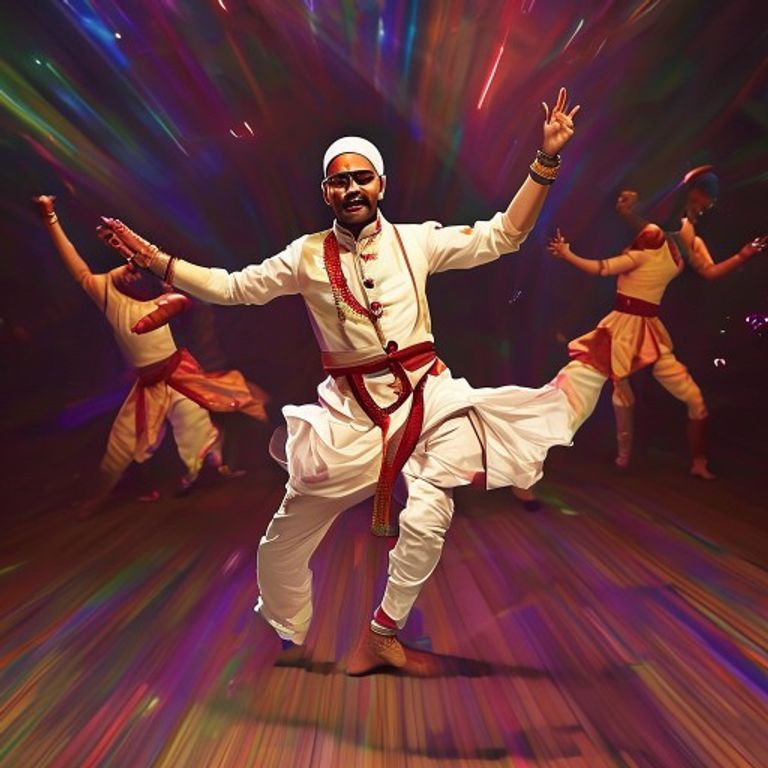
Modi Ji DANCES! The Viral Clip That Broke The Internet – An In-Depth Look at Modi Ji Ka Dance
In an era where every blink, every gesture, and every public appearance of a global leader is scrutinized, analyzed, and often memed, some moments transcend the routine. They erupt from the digital ether, grab collective attention, and refuse to let go. One such moment, a seemingly simple yet profoundly impactful instance, involved none other than India’s Prime Minister, Narendra Modi. We’re talking, of course, about the now-legendary viral clip that sent shockwaves across social media platforms, dominating headlines and drawing reactions from every corner of the globe: Modi Ji ka dance.
It wasn’t a staged performance, nor a carefully choreographed political maneuver designed for maximum impact. Instead, it was a flash of spontaneity, an unscripted display of joy and participation that caught the world off guard. And because it was so unexpected, so human, it resonated deeply. This isn’t just about a leader moving to music; it’s about what that movement represents, how it’s interpreted, and why it became an internet phenomenon that truly, for a brief period, felt like it “broke the internet.”
Join us as we embark on a comprehensive journey to dissect this viral moment. We’ll explore its origins, the socio-political landscape it emerged from, the mechanics of its virality, the myriad reactions it provoked, and its lasting implications for public perception and political communication in the digital age. Get ready to dive deep into the fascinating story behind Modi Ji ka dance.
The Genesis of a Sensation: Where and When Did Modi Ji Ka Dance Emerge?
To truly understand the magnitude of the viral clip, we must first set the scene. While there have been various instances over the years where Prime Minister Modi has shown glimpses of his lighter side, the particular clip that became an undeniable sensation usually refers to an event where he was seen participating in a traditional folk dance. Imagine a vibrant cultural festival, a gathering steeped in local traditions, where the air hums with music, laughter, and the spirit of community. It’s in such an authentic setting, far removed from the formal confines of political rallies or diplomatic dinners, that the magic happened.
Picture this: a sea of enthusiastic citizens, traditional attire, rhythmic drumming, and the infectious energy of folk dancers. The Prime Minister, known for his often serious and statesmanlike demeanor, is present not just as a dignitary but as a participant. He joins the circle, perhaps initially with a degree of cautious observation, and then, as if swept away by the collective rhythm, he begins to move. It’s not a professional dancer’s grace, nor is it meant to be. It’s an embrace of the moment, a spontaneous yielding to the cultural pulse of the event. This unvarnished authenticity is precisely what made the sight of Modi Ji ka dance so captivating.
The exact date and location might vary slightly depending on which specific instance is being referenced, as PM Modi has a history of engaging with local cultures during his travels. However, the common thread is always the unexpected nature of the act. It’s often during visits to tribal areas, cultural programs, or community festivals where he has been seen shedding his formal persona to partake in local customs. These moments are rarely pre-planned for virality; they are often captured by local media, attendees, or his own press team, and then released into the digital ecosystem, where they take on a life of their own. The raw, unfiltered nature of these clips is a significant factor in their appeal, making the leader seem more relatable and less remote.
The Context: Beyond the Dance Steps
It’s important to remember that such an event doesn’t occur in a vacuum. India is a land of incredible diversity, where dance is not merely entertainment but a profound expression of culture, history, and devotion. From the classical Bharatanatyam to the energetic Bhangra, from the intricate Kathak to the tribal Ghoomar, dance forms are intrinsic to the national identity. When a leader engages with these traditions, especially folk traditions, it sends a powerful message of respect, inclusivity, and connection to the grassroots. The instance of Modi Ji ka dance, therefore, wasn’t just about a few steps; it was a symbolic gesture that resonated deeply with the cultural fabric of the nation.
Furthermore, Prime Minister Modi has meticulously cultivated an image of being a “man of the people,” someone who understands and connects with the common citizen. His public appearances are often geared towards fostering this connection. While many of these are formal, planned events, it’s the spontaneous, humanizing moments that often cut through the political noise. The dance clip served as a powerful reinforcement of this narrative, showcasing him as approachable, joyful, and deeply immersed in the cultural tapestry of India. This context is crucial to understanding why the video wasn’t just another fleeting piece of content, but a significant cultural and political moment.
The Anatomy of Virality: Why Did Modi Ji Ka Dance Explode Online?
In the vast, noisy landscape of the internet, countless videos are uploaded every second. For something to truly “break the internet,” it needs a unique confluence of factors. The clip of Modi Ji ka dance hit all the right notes, transforming from a simple video into a global talking point. Let’s break down the elements that fueled its meteoric rise to internet stardom.
1. The Element of Surprise and Novelty
Political leaders, especially those on the global stage, are typically seen in very specific roles: delivering speeches, attending summits, shaking hands, or engaging in formal debates. These are expected behaviors. When a leader deviates significantly from this script, it immediately grabs attention. The sight of PM Modi, known for his disciplined and often austere public persona, letting loose and dancing with uninhibited joy was inherently surprising. It shattered preconceived notions and offered a glimpse into a rarely seen side of a powerful figure. This novelty factor alone was enough to make people pause, watch, and share.
2. The Humanizing Factor
One of the most profound impacts of the Modi Ji ka dance clip was its ability to humanize the Prime Minister. In politics, leaders can often appear distant, almost robotic, due to the constant pressure of maintaining a certain image. This clip, however, showed a leader who was capable of genuine, unbridled happiness and participation. It made him relatable, reminding people that beneath the political office, there is a human being who can experience and express joy. This relatability fosters a sense of connection and empathy, which is a powerful driver for sharing content.
3. Cultural Resonance and National Pride
For Indians, dance is deeply embedded in their cultural identity. Seeing their Prime Minister participate in a traditional folk dance evoked a strong sense of national pride and cultural affirmation. It was a moment that celebrated India’s rich heritage and showcased a leader who was not afraid to embrace it publicly. This cultural resonance made the video particularly shareable within India, as citizens felt a sense of collective joy and pride in seeing their leader connect with their roots. It wasn’t just a dance; it was a reaffirmation of shared identity.
4. The Power of Authenticity (or Perceived Authenticity)
In an age saturated with carefully curated content, genuine moments stand out. The dance clip appeared entirely unscripted and spontaneous. There was no sense of it being a performance for the cameras; it felt like an organic reaction to the environment. This perceived authenticity is incredibly valuable online. Audiences are increasingly discerning and can spot manufactured content from a mile away. The raw, unpolished nature of Modi Ji ka dance lent it an air of genuine participation, making it more trustworthy and, consequently, more shareable.