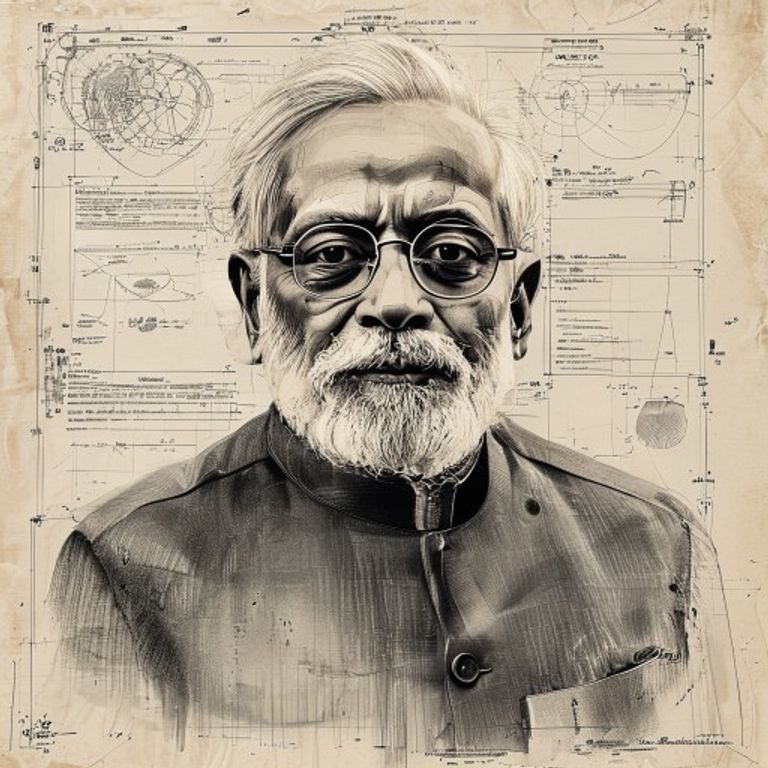
The dust has settled, the ballots are counted, and a new chapter in India’s democratic journey has unequivocally begun. After a spirited electoral battle, Prime Minister Narendra Modi is set to embark on an unprecedented third consecutive term, a testament to his enduring appeal and the electorate’s continued faith in his leadership. But this isn’t just a continuation; it’s a recalibration, a reinforcement, and a renewed commitment to a vision that has profoundly shaped the nation over the past decade. As the world watches, questions abound: What will Modi 3.0 look like? What new policies will emerge? How will India navigate a complex global landscape under this renewed mandate? This isn’t merely about political succession; it’s about the blueprint for India’s next transformative phase, a detailed roadmap that promises to build upon past successes while addressing new challenges and seizing fresh opportunities. Every decision, every policy announcement, and every strategic move under Modi 3.0 will be critical, shaping not just the lives of 1.4 billion Indians but also influencing global dynamics. If you’ve been following the latest modi news, you’ll know the stakes are incredibly high, and the expectations are even higher.
Modi 3.0: The Blueprint for India’s Next Chapter
A New Mandate, A Renewed Vision
The journey to Modi 3.0 has been anything but ordinary. Emerging from a coalition victory, this term carries a unique flavour, demanding a collaborative spirit and a focus on consensus-building that will define its operational style. This mandate, while strong, underscores the vibrant plurality of India’s democracy and the need for inclusive governance that resonates with every segment of society. It’s a moment for introspection and acceleration, for reinforcing the foundations laid during the previous two terms while simultaneously charting an ambitious course for the future. The vision for India, often articulated as a ‘Viksit Bharat’ or Developed India by 2047 – the centenary of its independence – now enters a critical phase of execution. This isn’t just an aspirational target; it’s a meticulously planned trajectory involving economic growth, social upliftment, environmental sustainability, and a robust global presence. The consistent stream of modi news has kept us abreast of the evolving political narrative, but now, the focus shifts squarely to policy implementation and the tangible impact on the ground.
The first two terms under Prime Minister Modi witnessed significant reforms and initiatives across various sectors, from the rollout of the Goods and Services Tax (GST) and demonetization to the Swachh Bharat Abhiyan and Ayushman Bharat. Digital India transformed governance and financial inclusion, while infrastructure development saw unprecedented acceleration. These foundational changes have set the stage, and Modi 3.0 is expected to be the period where these seeds truly blossom, propelling India into a higher league of global economic and strategic power. The emphasis will likely be on deepening these reforms, ensuring their benefits reach the last mile, and tackling the persistent challenges that still confront a nation of India’s scale and diversity. The government will undoubtedly leverage its experience and the lessons learned to fine-tune its approach, ensuring that the momentum gained is not just sustained but amplified.
Pillars of Progress: Key Policy Areas for Modi 3.0
The blueprint for Modi 3.0 is multifaceted, resting on several critical pillars designed to achieve the overarching goal of a developed and self-reliant India. Each pillar represents a distinct area of focus, yet they are interconnected, forming a cohesive strategy for national advancement. Let’s delve deep into these crucial domains.
Economic Resurgence and Global Positioning
India’s economic trajectory has been a major highlight, with the nation consistently being one of the fastest-growing large economies in the world. Modi 3.0 is poised to further consolidate this growth, with an ambitious target of becoming the third-largest economy globally. This isn’t merely about GDP numbers; it’s about creating a robust, resilient, and inclusive economic ecosystem that generates jobs, fosters innovation, and enhances the quality of life for all citizens. The economic agenda will likely focus on several key areas, building on the groundwork of previous terms.
- Manufacturing and Industrial Growth (Make in India 2.0): The ‘Make in India’ initiative will receive renewed impetus, evolving into ‘Make for the World’. The Production Linked Incentive (PLI) schemes, which have already seen success in sectors like electronics, pharmaceuticals, and automobiles, are likely to be expanded and refined. The focus will be on attracting greater foreign direct investment (FDI), boosting domestic manufacturing capabilities, reducing import dependence, and integrating India more deeply into global supply chains. This includes critical sectors like semiconductors, advanced materials, and defense production, positioning India as a global manufacturing hub. The recent modi news often highlights new investment opportunities emerging from these policies.
- Infrastructure Development (Gati Shakti): The National Master Plan for multi-modal connectivity, Gati Shakti, will continue to be a cornerstone of infrastructure development. This ambitious program aims to break departmental silos and create a unified platform for planning and implementing infrastructure projects, covering roads, railways, ports, airports, and logistics. The goal is to reduce logistics costs, improve efficiency, and enhance India’s competitiveness. Expect significant investments in greenfield and brownfield projects, including high-speed rail corridors, dedicated freight corridors, and smart cities. Urban infrastructure, including public transport and waste management, will also see enhanced focus.
- Digital Economy and Innovation: India’s digital public infrastructure (DPI) – exemplified by Aadhaar, UPI, and the Open Network for Digital Commerce (ONDC) – is a global success story. Modi 3.0 will further leverage this digital prowess to drive financial inclusion, enhance public service delivery, and foster a vibrant startup ecosystem. Policies will likely focus on promoting AI, blockchain, and other emerging technologies, positioning India as a leader in digital innovation. Skilling programs will be crucial to equip the workforce for the demands of the digital age.
- Financial Sector Reforms: The government will likely continue its efforts to strengthen the financial sector, including banking reforms, capital market development, and measures to improve ease of doing business. Focus areas might include addressing non-performing assets, promoting digital lending, and enhancing regulatory frameworks to ensure stability and growth. Policies aimed at improving access to credit for MSMEs will also be critical.
- Exports and Trade: With a vision to significantly increase India’s share in global trade, Modi 3.0 will likely pursue more bilateral trade agreements and actively participate in multilateral forums. Efforts to diversify export baskets, promote niche products, and enhance export competitiveness will be paramount. The government will aim to reduce trade barriers and streamline customs procedures to facilitate smoother international commerce.
Social Empowerment and Inclusive Development
Economic growth, while vital, must be accompanied by inclusive development that uplifts every citizen. Modi 3.0’s social agenda will build on the extensive welfare architecture established over the past decade, aiming for deeper penetration and more targeted impact. The goal is to ensure that the benefits of growth are equitably distributed, addressing disparities and empowering vulnerable sections of society. The government’s social policies have consistently made headlines in modi news, reflecting their widespread impact.
- Women Empowerment (Nari Shakti): ‘Nari Shakti’ or women power will continue to be a central theme. Policies will focus on enhancing women’s participation in the workforce, promoting entrepreneurship, ensuring safety and security, and improving access to education and healthcare. Initiatives like the Ujjwala Yojana (LPG connections), Jan Dhan accounts, and direct benefit transfers have already made a significant impact. Future policies might include stronger legal frameworks, greater representation in decision-making bodies, and specific schemes for women-led businesses and self-help groups.
- Youth Skilling and Employment: India’s demographic dividend presents both an opportunity and a challenge. Modi 3.0 will prioritize skilling initiatives aligned with industry demands, promoting vocational training, apprenticeships, and digital literacy. The National Education Policy (NEP) 2020 will continue its implementation, focusing on holistic education, critical thinking, and future-ready skills. Efforts to boost employment generation through schemes like the Mudra Yojana and support for startups will be intensified, ensuring that the youth are equipped to contribute to the nation’s growth.
- Healthcare (Ayushman Bharat and Beyond): The Ayushman Bharat Pradhan Mantri Jan Arogya Yojana (PMJAY), providing health insurance to millions, will likely see expansion in its scope and coverage. The focus will also be on strengthening primary healthcare infrastructure, promoting preventive healthcare, and addressing the shortage of medical professionals. Investment in medical research and development, including vaccine development and pharmaceutical innovation, will be a priority. The integration of traditional Indian medicine systems (AYUSH) with modern medicine will also be explored.
- Education Reforms (NEP 2.0): The National Education Policy 2020, a landmark reform, will see accelerated implementation. This includes restructuring the curriculum, emphasizing multidisciplinary learning, promoting digital education, and enhancing teacher training. The aim is to create a flexible, inclusive, and future-ready education system that caters to the diverse needs of India’s students, from early childhood to higher education and research.
- Housing and Basic Amenities: The ‘Housing for All’ mission will continue its drive to provide affordable housing, especially in urban areas. Access to clean drinking water (Jal Jeevan Mission) and sanitation (Swachh Bharat Mission) will remain high priorities, ensuring that basic amenities reach every household, improving public health and living standards.
Green Growth and Sustainable Future
India has emerged as a responsible global leader in climate action and sustainable development. Modi 3.0 will double down on its commitment to green growth, balancing economic aspirations with environmental stewardship. The nation’s climate strategy is not just about meeting international commitments but also about leveraging green technologies for economic advantage and building a sustainable future for its citizens. This often features prominently in international modi news segments.
- Renewable Energy Transition: India’s ambitious targets for renewable energy capacity addition will be aggressively pursued. The focus will be on solar, wind, and hydro power, along with exploring new avenues like geothermal and tidal energy. Policies will support the domestic manufacturing of solar panels, batteries, and other green technologies, reducing reliance on imports. The National Green Hydrogen Mission will be pivotal in decarbonizing hard-to-abate sectors and positioning India as a global hub for green hydrogen production and export.
- Climate Action and Resilience: Beyond energy, Modi 3.0 will emphasize climate resilience across sectors. This includes promoting sustainable agriculture practices, water conservation, afforestation, and biodiversity protection. Urban planning will incorporate green infrastructure, and measures to combat air pollution will be intensified. India will continue to champion global initiatives like the International Solar Alliance (ISA) and the Coalition for Disaster Resilient Infrastructure (CDRI).
- Circular Economy: The government will promote the principles of a circular economy, focusing on waste reduction, recycling, and resource efficiency. Policies will encourage industries to adopt sustainable production practices and consumers to embrace responsible consumption. This includes better waste management systems, plastic waste reduction, and promoting longevity of products.
- Electric Mobility: The push for electric vehicles (EVs) will continue, with incentives for manufacturing, adoption, and development of charging infrastructure. This is crucial for decarbonizing the transport sector and reducing dependence on fossil fuels.
Geopolitical Influence and Strategic Autonomy
Under Prime Minister Modi, India’s foreign policy has become more assertive, pragmatic, and multi-aligned, positioning the nation as a crucial player on the global stage. Modi 3.0 will further solidify India’s geopolitical influence, balancing strategic autonomy with robust partnerships. The world is watching India’s moves closely, and modi news is often dominated by foreign policy developments.
- Multilateralism and Global Governance: India will continue to advocate for reforms in global institutions like the UN Security Council, IMF, and WTO, seeking a more equitable and representative global order. Its active participation in forums like G20, BRICS, and SCO will be maintained, using these platforms to promote its interests and contribute to global solutions on issues like climate change, terrorism, and economic stability.
- Bilateral Relations and Strategic Partnerships: Strengthening bilateral ties with key partners – including the US, Russia, EU nations, Japan, Australia, and countries in the Middle East and Africa – will remain a priority. India will seek to diversify its partnerships, focusing on economic cooperation, defense collaboration, and technology transfer. The Indo-Pacific strategy will continue to be a cornerstone, emphasizing a free, open, and inclusive region.
- Defense Modernization and Security: Self-reliance in defense production (Atmanirbhar Bharat in Defense) will be accelerated, reducing reliance on foreign imports and boosting indigenous capabilities. Modernization of the armed forces, enhancing border infrastructure, and robust counter-terrorism measures will be paramount to ensure national security in a volatile geopolitical environment. Cyber security will also receive increased attention given the growing digital landscape.
- Neighborhood First Policy: India’s commitment to its immediate neighbors will be reinforced, fostering regional stability and cooperation through connectivity projects, economic assistance, and cultural exchanges. The focus will be on resolving disputes peacefully and building a prosperous South Asia.
Governance Reforms and Digital Transformation
Good governance is the bedrock of effective policy implementation and public trust. Modi 3.0 will continue its drive for governance reforms, leveraging technology to enhance transparency, accountability, and efficiency. The goal is to make government more citizen-centric and responsive, reducing red tape and improving service delivery. The latest modi news often highlights initiatives aimed at streamlining governance.
- Ease of Doing Business and Living: Efforts to further improve India’s ranking in the Ease of Doing Business index will continue, with simplified regulations, faster clearances, and reduced compliance burdens for businesses. Similarly, ‘Ease of Living’ will be prioritized, focusing on improving public services, reducing bureaucratic hurdles for citizens, and enhancing urban amenities.
- Digital Public Infrastructure (DPI) 2.0: Building on the success of Aadhaar, UPI, and other DPIs, the government will explore new applications of digital technology in sectors like health (Ayushman Bharat Digital Mission), education, and justice. This will facilitate seamless service delivery, reduce corruption, and empower citizens with digital access.
- Bureaucratic Reforms: Continuous efforts will be made to enhance the efficiency and responsiveness of the civil services through capacity building, performance-based appraisals, and leveraging technology for better governance. The aim is to create a bureaucracy that is agile, transparent, and aligned with national development goals.
- Anti-Corruption Measures: The fight against corruption will remain a key priority, with continued emphasis on transparency, digitalization of government processes, and strengthening anti-corruption institutions. Measures to curb black money and illicit financial flows will also be pursued.
The Road Ahead: Challenges and Opportunities
While the blueprint for Modi 3.0 is ambitious, the path forward is not without its complexities. India, like any large and diverse nation, faces a unique set of domestic and global challenges that will require deft handling and strategic foresight. However, within these challenges lie immense opportunities for growth and transformation.
Navigating Domestic Complexities
Internally, India must contend with several pressing issues that could impact the pace and inclusivity of its development agenda. These challenges are often front and center in modi news debates.
- Employment Generation: Despite robust economic growth, creating sufficient quality jobs for a young and growing workforce remains a significant challenge. Modi 3.0 must ensure that economic policies are geared towards labor-intensive growth, promoting manufacturing, services, and entrepreneurship.
- Inflation and Cost of Living: Managing inflation, particularly food and fuel prices, is crucial for maintaining household budgets and ensuring public welfare. Supply chain resilience, agricultural productivity, and fiscal prudence will be key.
- Regional Disparities: Bridging the development gap between different states and regions, and addressing urban-rural divides, will require targeted interventions and equitable resource allocation. Inclusive growth means ensuring no region is left behind.
- Political Consensus and Federalism: Operating in a coalition government requires greater skill in building consensus across political parties and states. The spirit of cooperative federalism will be vital for implementing national policies effectively and addressing regional concerns.
- Climate Change Impact: Domestically, India is highly vulnerable to the impacts of climate change, including extreme weather events, water scarcity, and agricultural disruptions. Building resilience and adapting to these changes will be a major long-term challenge.
Global Headwinds and Geopolitical Shifts
On the international front, India must navigate a volatile and uncertain global landscape, marked by geopolitical tensions, economic slowdowns in major economies, and the lingering effects of global disruptions. The latest modi news often reflects these international dynamics.
- Geopolitical Volatility: Conflicts in various parts of the world, growing great power rivalries, and evolving security dynamics demand a nimble and strategic foreign policy. India must safeguard its interests while contributing to global peace and stability.
- Global Economic Slowdown: A slowdown in major global economies could impact India’s export growth and investment inflows. Diversifying trade partners and strengthening domestic demand will be crucial to mitigate these external shocks.
- Supply Chain Disruptions: The fragility of global supply chains, exposed during recent crises, necessitates building greater resilience and self-reliance in critical sectors while also fostering diversification.
- Technological Race: The accelerating pace of technological innovation and the race for dominance in critical technologies (AI, semiconductors, quantum computing) pose both opportunities and challenges. India must invest heavily in R&D and human capital to stay competitive.
Despite these challenges, India’s inherent strengths – its large domestic market, young demographic, growing digital infrastructure, and democratic resilience – provide a strong foundation for Modi 3.0 to leverage these opportunities and overcome obstacles. The strategic approach will involve proactive diplomacy, robust economic reforms, and sustained investment in human capital and infrastructure.
What Does Modi 3.0 Mean for You?
The policies and vision of Modi 3.0 will have far-reaching implications, touching different segments of society and the global community in distinct ways. Understanding these potential impacts can help individuals and entities prepare and position themselves for the unfolding future.
For Businesses and Investors
If you’re a business leader or an investor, Modi 3.0 presents a landscape ripe with opportunities, especially in sectors aligned with the government’s strategic priorities. Keep a close eye on modi news for policy announcements.
- Manufacturing Boom: Expect continued incentives and a supportive ecosystem for manufacturing, particularly in electronics, defense, renewable energy components, and semiconductors. Companies looking to diversify supply chains away from other regions might find India an attractive destination.
- Infrastructure Bonanza: Massive investments in physical infrastructure (roads, railways, ports, airports) and digital infrastructure will create significant opportunities for construction, engineering, logistics, and technology companies.
- Digital Transformation: The digital economy will continue its exponential growth. Opportunities exist in AI, data analytics, fintech, e-commerce, and digital public services. Startups and tech innovators will find a fertile ground.
- Green Economy: India’s push for renewable energy, green hydrogen, and sustainable practices opens doors for investments in clean tech, EV manufacturing, waste management, and environmental services.
- Consumer Market: As incomes rise and digital penetration deepens, India’s vast consumer market will continue to expand. Businesses catering to consumer goods, healthcare, education, and financial services will find significant growth potential.
Actionable Advice for Businesses: Stay informed about specific PLI schemes and sector-specific policies. Invest in R&D and skill development to align with emerging technological trends. Focus on sustainable practices and digital integration to remain competitive. Engage with government initiatives and policy dialogues to understand the evolving regulatory landscape. Regularly review modi news for updates on economic policies and investment opportunities.
For Citizens and Professionals
For the average Indian citizen and professional, Modi 3.0 promises continued focus on welfare, better public services, and opportunities for skill development and employment. Staying informed is key, and following modi news can provide valuable insights.
- Improved Public Services: Expect enhanced access to healthcare (Ayushman Bharat), education (NEP implementation), and basic amenities (water, sanitation, housing). Digital platforms will likely make government services more accessible and transparent.
- Skill Development: The emphasis on skilling and vocational training means more opportunities to acquire future-ready skills, making you more employable in a dynamic job market. Look for government-backed skilling programs.
- Employment Opportunities: Growth in manufacturing, infrastructure, and the digital economy is expected to create new jobs. Entrepreneurship will also be encouraged through various schemes and financial support.
- Women’s Empowerment: Continued focus on ‘Nari Shakti’ will likely lead to more opportunities for women in education, employment, and entrepreneurship, alongside improved safety and social support systems.
- Digital Literacy: Embrace digital tools and platforms, as they will become increasingly integral to accessing services, education, and employment.
Actionable Advice for Citizens: Invest in continuous learning and skill upgrades. Leverage government schemes for healthcare, education, and entrepreneurship. Participate in local governance and community initiatives. Stay informed about policy changes that directly impact your life and profession. Following modi news will keep you updated on welfare schemes and government announcements.
For the Global Community
For the international community, Modi 3.0 signifies India’s continued rise as a significant global power, a reliable economic partner, and a responsible voice on international issues. The world will be watching India’s trajectory closely, and global media often features extensive modi news coverage.
- Economic Partner: India will remain an attractive market for trade and investment, offering opportunities in diverse sectors. Its economic stability and growth will contribute to global economic resilience.
- Strategic Ally: India will continue to be a crucial partner in regional and global security architectures, particularly in the Indo-Pacific. Its strategic autonomy will be a key feature of its foreign policy.
- Climate Leader: Expect India to maintain its leadership role in climate action, advocating for equitable climate finance and promoting sustainable development models.
- Voice of the Global South: India will likely continue to champion the interests of developing nations, advocating for a more inclusive and representative global governance structure.
Actionable Advice for the Global Community: Engage with India on economic, strategic, and cultural fronts. Understand its unique geopolitical perspective and its emphasis on multi-alignment. Invest in long-term partnerships that align with India’s development goals. Monitor modi news for insights into India’s foreign policy and economic shifts.
The Human Element: Leadership Style and Public Connect
Beyond policies and economic indicators, the success of Modi 3.0 will also be shaped by the distinctive leadership style of Prime Minister Narendra Modi. His ability to connect directly with the masses, articulate a grand vision, and drive implementation has been a hallmark of his tenure, frequently analyzed in modi news reports.
Prime Minister Modi’s communication strategy is often characterized by its directness and use of various platforms, from traditional rallies to digital town halls. His emphasis on aspirational goals, such as ‘Viksit Bharat,’ resonates with a populace eager for progress. He has consistently championed a “whole of government” approach, pushing for synergy between ministries and states to ensure coordinated policy implementation. This focus on delivery and outcomes has been a key factor in building public trust and confidence.
Furthermore, his leadership often involves a blend of pragmatism and idealism. While he is known for his reformist zeal and decisive action, there is also an underlying emphasis on India’s civilizational values, cultural heritage, and spiritual strength. This synthesis helps connect his policy agenda with a broader national identity and purpose, fostering a sense of collective ownership in the nation-building process. The coalition government structure of Modi 3.0 will likely see a renewed emphasis on collaboration, negotiation, and building consensus, showcasing a potentially more nuanced approach to governance while retaining the core vision and dynamism that have defined his leadership.
The Prime Minister’s personal commitment to various initiatives, from cleanliness drives to yoga promotion, also creates a strong public connect, often inspiring citizen participation. This ‘Jan Bhagidari’ or people’s participation approach is expected to continue, fostering a sense of shared responsibility in achieving national goals. His ability to translate complex policy objectives into easily understandable narratives, often using relatable analogies and stories, helps to galvanize public support and understanding, a trait frequently discussed in analyses of modi news and political commentary.
Conclusion: A Defining Decade for India
Modi 3.0 is not merely another term; it represents a pivotal juncture in India’s journey towards becoming a developed nation and a significant global power. The blueprint is ambitious, comprehensive, and deeply rooted in the experiences and successes of the past decade. From accelerating economic growth and empowering every citizen to championing green development and enhancing India’s global stature, the vision is clear: to build a New India that is prosperous, equitable, and influential.
The challenges are real, but so are the opportunities. India’s democratic resilience, its demographic dividend, and its growing digital prowess provide a formidable foundation for navigating the complexities of the 21st century. The success of Modi 3.0 will hinge on effective governance, sustained reforms, collaborative federalism, and the active participation of its 1.4 billion citizens. It will require a continuous adaptation to global shifts and a relentless pursuit of innovation and excellence.
As India embarks on this next chapter, the world will be watching with keen interest. The policies and decisions made under Modi 3.0 will not only shape the destiny of one of the world’s largest and most vibrant democracies but will also profoundly influence the global balance of power, economic trajectories, and the future of sustainable development. This truly is a defining decade for India, and the blueprint laid out by Modi 3.0 offers a compelling vision for its next, transformative phase. To stay abreast of every significant development, ensure you keep following the latest modi news, for it is here that the future of India will continuously unfold.