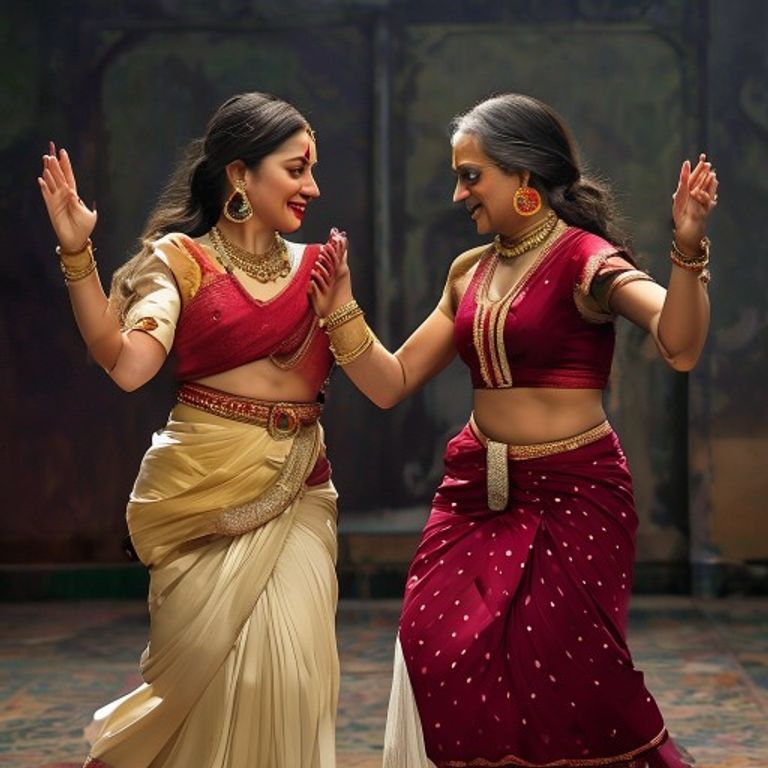
Mamta Didi vs Modi Ji: The Dance Comedy That Broke The Internet!
A Deep Dive into the Hilarious, Hypnotic, and Utterly Unforgettable Digital Phenomenon
Remember that time the internet collectively gasped, then burst into uncontrollable laughter? No, I’m not talking about a cat playing the piano, or another viral challenge. I’m talking about the day the digital universe witnessed something so utterly bizarre, so hilariously unexpected, it redefined political commentary, social media engagement, and perhaps, even the very fabric of our public discourse. Yes, you know exactly what I’m referring to: the legendary, the iconic, the absolutely unforgettable mamta didi and modi ji ka dance comedy!
It wasn’t just a video; it was a cultural earthquake, a digital crescendo that echoed across WhatsApp groups, Twitter feeds, Instagram reels, and YouTube recommendations. For days, perhaps even weeks, you couldn’t scroll, click, or tap without encountering some iteration of this masterpiece. From the bustling metros to the quietest villages, everyone was talking about it. But what exactly was it about this particular piece of digital wizardry that made it not just viral, but a genuine internet phenomenon? Why did this seemingly simple, yet profoundly complex, dance comedy involving two of India’s most formidable political figures capture the imagination of millions? Let’s peel back the layers, shall we, and dive deep into the heart of this internet-breaking spectacle.
The Unbelievable Premise: Setting the Stage for Digital Mayhem
To truly understand the impact of the mamta didi and modi ji ka dance comedy, we first need to reconstruct the “event” itself. Picture this: The political atmosphere, as always, was charged. Debates raged, speeches soared, and the usual high-stakes drama unfolded daily. Then, out of nowhere, it appeared. A video, seemingly innocuous at first glance, but packed with an explosive comedic punch. It wasn’t a leaked candid moment, nor was it a pre-planned political stunt. No, this was something far more intricate, far more technologically advanced, and frankly, far more brilliant.
The Genesis of the “Dance-Off”: A Masterpiece of Digital Satire
The video, which clocked in at a brisk but impactful 90 seconds, began subtly. It opened with what appeared to be a standard news clip – perhaps a rally, a press conference, or a public address. Then, a sudden, almost imperceptible shift. The background music changed, morphing from a serious news jingle into the pulsating beats of a classic Bollywood item number. And that’s when it happened. In a seamless, almost terrifyingly realistic transition, the figures of Mamta Didi and Modi Ji, in their signature attire, began to move. Not just a slight sway, mind you, but full-blown, choreographed dance moves!
Imagine Modi Ji, with his characteristic hand gestures, suddenly incorporating a bhangra step, his signature wave transforming into a graceful, albeit unexpected, classical mudra. And then, Mamta Didi, known for her fiery speeches and determined stride, breaking into a lively folk dance, her finger-pointing becoming an emphatic, rhythmic flourish. The genius lay in the details: the perfectly synced lip movements to the imagined lyrics, the exaggerated yet believable facial expressions, the subtle nods and winks that seemed to acknowledge the absurdity of the situation. It was as if they were locked in a friendly, yet fiercely competitive, dance battle, each trying to outdo the other with their unexpected agility and comedic timing.
The soundtrack was a medley – starting with a peppy 90s Bollywood hit, transitioning into a folk number, and culminating in a high-energy pop track, each segment perfectly matching the evolving “dance styles” of the two leaders. The edits were so precise, the deepfake technology so advanced, that for a fleeting moment, many viewers genuinely questioned if they were witnessing an actual, albeit bizarre, political event. This was the moment the mamta didi and modi ji ka dance comedy truly solidified its place in internet history.
The Anatomy of a Viral Sensation: Deconstructing the “Dance Comedy”
So, what were the ingredients that propelled this particular video from a mere upload to an unstoppable viral juggernaut? It wasn’t just the novelty; it was a confluence of factors that tapped into the collective psyche of a nation perpetually online and hungry for content that transcended the mundane.
The Element of Surprise and Juxtaposition
The most potent ingredient was undoubtedly the sheer unexpectedness. In a political landscape often characterized by seriousness, rivalry, and intense debate, the sudden appearance of a humorous, light-hearted, and utterly fictional dance-off was like a breath of fresh air. The juxtaposition of two powerful, often adversarial, political figures engaging in a jovial dance was inherently comical. It broke the fourth wall of political formality, humanizing them in a way that no carefully crafted PR campaign ever could. This unexpected twist was the primary hook, drawing in viewers who were initially confused, then amused, and finally, completely captivated by the mamta didi and modi ji ka dance comedy.
Technological Prowess: The Power of Deepfakes and AI
Let’s be honest, without advanced deepfake technology, this phenomenon wouldn’t have been possible. The video was a testament to the incredible strides made in artificial intelligence and machine learning. The facial mapping, the body tracking, the seamless integration of their likenesses onto professional dancers’ movements – it was all executed with a level of sophistication that was both impressive and, at times, a little unsettling. This technological marvel added another layer of intrigue; people weren’t just laughing at the dance, they were marveling at how convincingly it was put together. It sparked conversations about the future of digital content, the ethics of AI, and the blurring lines between reality and simulation.
Relatability and Cultural Resonance
Despite being a fictional creation, the dance comedy resonated deeply with Indian audiences. Dance and music are integral parts of Indian culture, often serving as expressions of joy, celebration, and even protest. By placing political figures in such a culturally resonant context, the video became instantly relatable. It tapped into the collective love for Bollywood dance, folk traditions, and the innate human desire for lighthearted entertainment. The specific choice of music and dance styles often reflected regional nuances, making the content even more personal and engaging for diverse audiences across the country. This cultural bridge was crucial to the widespread acceptance and sharing of the mamta didi and modi ji ka dance comedy.
The Power of Political Satire
Beyond the laughs, the video was a masterclass in political satire. It wasn’t malicious or overly critical; instead, it used humor to comment on the often-tense political rivalry, playfully suggesting a world where leaders could momentarily set aside their differences and engage in something as universally joyful as dance. It allowed people to project their own interpretations onto the “performance” – some saw it as a wishful thinking for political harmony, others as a humorous critique of the political spectacle itself. This multilayered interpretation fueled discussions and debates, further amplifying its reach and impact. The mamta didi and modi ji ka dance comedy became a safe space for people to engage with politics through a lens of humor, without the usual baggage of partisan arguments.
Why It Broke the Internet: The Psychology of Virality
Breaking the internet isn’t just about getting views; it’s about achieving pervasive cultural penetration. The mamta didi and modi ji ka dance comedy achieved this by triggering several key psychological responses and leveraging the inherent mechanisms of social media.
Emotional Contagion: Laughter is Infectious
The primary emotion evoked by the video was pure, unadulterated laughter. And laughter, as we know, is incredibly contagious. When you see something genuinely funny, your first instinct is often to share it, to spread that joy. The video provided an easy, universally understood source of amusement that transcended linguistic and demographic barriers. It was a shared moment of collective mirth, a rare commodity in an often-polarized world.
The “Did You See That?” Factor
Humans are social creatures, and we thrive on shared experiences. The mamta didi and modi ji ka dance comedy created an immediate “did you see that?” moment. It was so out-of-the-ordinary, so bizarrely compelling, that people felt compelled to share it with their friends, family, and colleagues, almost as a badge of being “in the know.” This conversational currency fueled its rapid dissemination across platforms.
Relief from Political Fatigue
In an era of relentless news cycles and often draining political discourse, the dance comedy offered a much-needed respite. It was a moment of levity, a chance to step back from the seriousness and simply enjoy something silly and fun. This relief factor made it particularly appealing and shareable, as people sought to inject some lightheartedness into their daily feeds. The mamta didi and modi ji ka dance comedy became an antidote to political stress.
User-Generated Content and Remix Culture
The original video was just the beginning. Its virality was exponentially amplified by the internet’s remix culture. Soon, people were creating their own versions:
- Sound-alikes: Replacing the original music with different tracks, from classical Indian ragas to international pop hits.
- Memeification: Extracting specific dance moves or facial expressions and turning them into static memes with new captions.
- Reaction Videos: Content creators and influencers recording their live reactions, often adding their own hilarious commentary.
- Contextual Edits: Placing the dancing figures into different backgrounds – a cricket stadium, a wedding, a cosmic dance floor.
Each new iteration kept the original mamta didi and modi ji ka dance comedy alive and fresh, ensuring its continued relevance and spread.
The Political Ripple Effect: Beyond the Laughter
While primarily a comedic piece, the mamta didi and modi ji ka dance comedy wasn’t without its political implications, albeit mostly subtle and indirect. It sparked conversations that went beyond mere amusement.
Humanizing Political Figures
One of the most significant impacts was the temporary humanization of these often-larger-than-life political figures. By seeing them “dance” and engage in what appeared to be a lighthearted exchange, even if fictional, it chipped away at the stern, formal personas often projected. It reminded people that beneath the political rhetoric, there are individuals, capable of evoking laughter and even, dare we say, a sense of shared humanity. This momentary glimpse into a more relatable side, however fabricated, could subtly shift public perception.
A New Form of Political Engagement?
The success of this dance comedy also highlighted the evolving nature of political engagement in the digital age. For younger generations, especially, traditional political discourse can often feel inaccessible or dry. Content like the mamta didi and modi ji ka dance comedy, however, offers an entry point. It makes politics digestible, entertaining, and shareable, potentially sparking interest in those who might otherwise tune out. It underscores the growing importance of visual, bite-sized, and humorous content in capturing attention and shaping narratives.
The Double-Edged Sword of Deepfakes
While this particular instance was largely harmless and humorous, it also served as a stark reminder of the powerful, and potentially dangerous, capabilities of deepfake technology. The ease with which convincing, albeit fictional, scenarios could be created raised legitimate concerns about misinformation, propaganda, and the erosion of trust in visual media. The debate around the ethics and regulation of deepfakes intensified, with the mamta didi and modi ji ka dance comedy often cited as a prime example of its technical prowess, for better or worse.
The Art of Political Satire in the Digital Age
Political satire has always been a vital component of a healthy democracy, offering a critical lens through which to view power and leadership. From ancient Greek comedies to modern-day political cartoons, humor has been a powerful tool for commentary. The mamta didi and modi ji ka dance comedy represents a new frontier in this long tradition, leveraging digital tools for unprecedented reach and impact.
Beyond Cartoons: The Evolution of Visual Satire
Historically, political satire was confined to print media (cartoons, caricatures) or television (sketch comedy, talk shows). The internet, with its democratized content creation and distribution, has blown these boundaries wide open. Now, anyone with the right tools and a creative vision can become a political satirist. The dance comedy proved that visual satire doesn’t need elaborate sets or professional actors; it can be created with AI and a keen understanding of public figures and cultural nuances. It moved beyond static images to dynamic, engaging, and highly realistic video content.
The Role of Authenticity (or Lack Thereof)
What made the mamta didi and modi ji ka dance comedy particularly potent was its blurring of authenticity. While most viewers understood it was fake, the initial shock and the convincing execution made them pause. This deliberate play with authenticity is a hallmark of modern digital satire. It challenges the viewer to question what they see, fostering a more critical engagement with media in general. It’s not just about making people laugh; it’s about making them think about the nature of truth in the digital realm.
Deepfakes, AI, and the Future of Political Content
The “dance comedy” wasn’t just a funny video; it was a harbinger of things to come. It showcased the immense potential and inherent risks of AI-generated content in the political sphere. Let’s delve deeper into this technological aspect.
The Technology Behind the Magic
Deepfake technology relies on artificial neural networks, specifically Generative Adversarial Networks (GANs). One network (the generator) creates fake content, while another (the discriminator) tries to distinguish it from real content. Through this adversarial process, the generator becomes incredibly adept at creating highly realistic synthetic media. In the case of the mamta didi and modi ji ka dance comedy, this would have involved:
- Data Collection: Feeding the AI vast amounts of images and videos of both Mamta Didi and Modi Ji to learn their facial features, expressions, and body language.
- Source Video: Using a high-quality video of professional dancers performing the desired choreography.
- Face Swapping and Re-enactment: The AI then meticulously swaps the faces of the politicians onto the dancers and re-enacts their expressions and head movements, ensuring perfect synchronization.
- Refinement: Post-processing to ensure seamless integration, realistic lighting, and natural-looking movements.
The result was a convincing, albeit fabricated, piece of media that pushed the boundaries of what was previously thought possible.
Ethical Dilemmas and Regulatory Challenges
While the dance comedy was harmless, the underlying technology poses significant ethical dilemmas. The ability to create hyper-realistic fake videos of anyone saying or doing anything has profound implications for:
- Misinformation and Disinformation: Spreading false narratives, especially during elections or times of crisis.
- Reputation Damage: Fabricating compromising situations to discredit individuals.
- Erosion of Trust: Making it harder for the public to discern truth from fiction, leading to a general skepticism towards all media.
The viral success of the mamta didi and modi ji ka dance comedy, therefore, wasn’t just a moment of humor; it was a wake-up call, prompting urgent discussions about digital literacy, media authentication, and the need for robust regulatory frameworks to manage AI-generated content.
A Nation’s Reaction: Diverse Perspectives
The reception to the mamta didi and modi ji ka dance comedy was as diverse and multifaceted as India itself. While widespread laughter was the dominant response, different segments of society reacted in distinct ways, reflecting their own political leanings, cultural backgrounds, and media consumption habits.
The Youth and Digital Natives
For the younger demographic, particularly those fluent in internet culture, the video was an instant hit. They understood the meme-like quality, appreciated the technical wizardry, and reveled in the playful subversion of political authority. For them, it was a prime example of internet culture at its finest – irreverent, creative, and highly shareable. They were the primary drivers of its virality, generating remixes and spreading it across platforms with unparalleled speed.
The Politically Engaged
Among the politically engaged, reactions were more nuanced. Some found it refreshing, seeing it as a harmless bit of fun that momentarily eased political tensions. Others, especially staunch party supporters, viewed it with suspicion or even disapproval, worried about disrespecting their leaders or trivializing serious political discourse. However, even among this group, the sheer technical skill and comedic value were often acknowledged, albeit sometimes grudgingly. The mamta didi and modi ji ka dance comedy became a talking point across the political spectrum, regardless of individual approval.
The General Public and Mainstream Media
For the broader public, the video was a source of collective amusement. It was discussed at family dinners, office water coolers, and local chai stalls. Mainstream media, initially cautious, eventually covered the phenomenon, analyzing its virality, discussing the underlying technology, and even debating its implications for political communication. This mainstream validation further cemented the mamta didi and modi ji ka dance comedy as a significant cultural moment.
Lessons Learned: For Politicians, Creators, and the Public
The unparalleled success of the mamta didi and modi ji ka dance comedy offers valuable insights for various stakeholders in the digital ecosystem.
For Politicians and Political Parties:
- Embrace (Carefully) Humor: While direct engagement in such content might be risky, understanding the power of humor and satire to humanize and connect with audiences is crucial. A well-placed, authentic moment of levity can go a long way.
- Monitor the Digital Landscape: Ignoring viral trends is no longer an option. Politicians need to be aware of what’s circulating, understand its sentiment, and be prepared to respond, whether through humor or clarification.
- Focus on Authenticity: In an age of deepfakes, genuine moments of connection and transparency become even more valuable.
For Content Creators and Digital Artists:
- Push Creative Boundaries: The dance comedy demonstrated the immense potential of combining cutting-edge technology with creative storytelling and cultural relevance. Don’t be afraid to innovate.
- Understand the Power of Juxtaposition: The unexpected pairing of elements is a powerful comedic tool. Look for opportunities to create surprising and delightful content.
- Be Mindful of Ethics: With great power comes great responsibility. While humor is vital, creators must also consider the potential for misuse and the ethical implications of the technologies they employ. Clearly labeling deepfakes as satire or parody is crucial.
For the General Public and Media Consumers:
- Cultivate Digital Literacy: The most important lesson is to develop a critical eye. Always question what you see and hear online, especially if it seems too good, or too outlandish, to be true. Understand the capabilities of AI and deepfake technology.
- Verify Information: Before sharing, take a moment to verify the authenticity of content, especially if it relates to sensitive topics.
- Enjoy the Humor, but Stay Informed: The mamta didi and modi ji ka dance comedy was a wonderful source of entertainment, but it’s important to remember that it was satire. Don’t let humor replace informed political engagement.
Conclusion: The Enduring Legacy of a Digital Masterpiece
The mamta didi and modi ji ka dance comedy wasn’t just a fleeting trend; it was a landmark moment in the history of Indian internet culture and political satire. It proved that in the digital age, humor can transcend political divides, that technology can create unprecedented forms of entertainment, and that the internet’s capacity for collective joy and shared experience remains boundless.
It was a testament to the creativity of unknown artists, the power of viral algorithms, and the universal appeal of a good laugh. As we continue to navigate an increasingly complex and digitally saturated world, the memory of Mamta Didi and Modi Ji’s unexpected dance-off will serve as a reminder: sometimes, the most profound commentary, the most impactful connection, and the most memorable moments emerge from the utterly absurd. It broke the internet, yes, but more importantly, it broke through the noise, leaving us all with a smile, a chuckle, and a lot to think about. And for that, we can only say, “Thank you, internet, for the unforgettable mamta didi and modi ji ka dance comedy!”