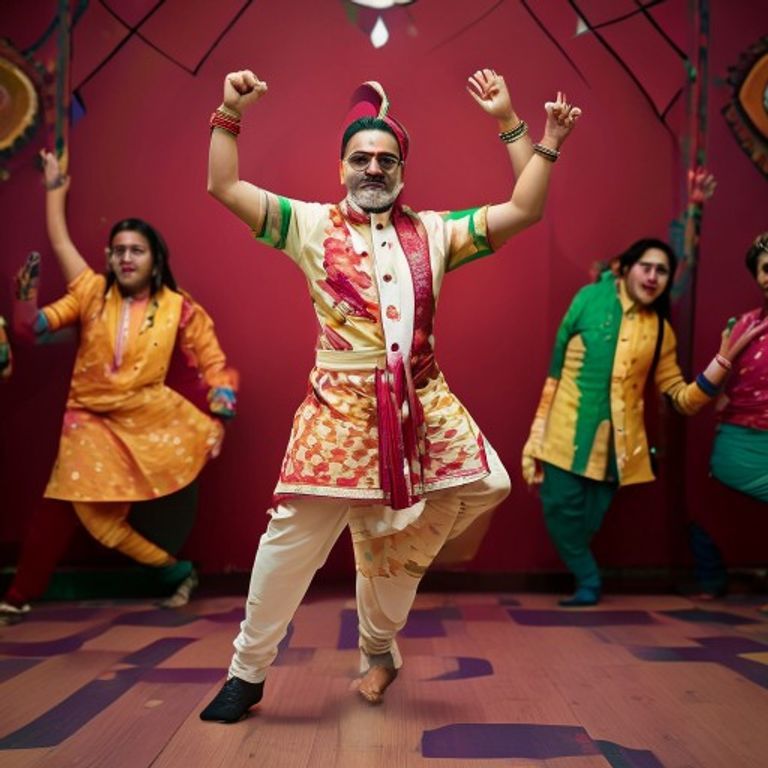
Have you ever found yourself scrolling through your social media feed, only to stop dead in your tracks at a headline that screams something utterly unexpected? Perhaps it’s a world leader doing something entirely out of character, or a moment so spontaneous it feels almost unreal. In today’s hyper-connected digital landscape, such moments are not just common; they’re the currency of virality. And among the most captivating, and often debated, are videos featuring public figures in unguarded, seemingly unscripted moments. One such phenomenon that has repeatedly captured the imagination of millions, sparking curiosity, amusement, and sometimes even controversy, revolves around the charismatic Prime Minister of India, Narendra Modi.
The phrase “Modi Ji Ka Viral Dance” (मोदी जी का वायरल डांस) has become a recurring search query, a trending topic, and a subject of countless discussions across various platforms. It evokes a sense of intrigue: Is it real? What’s the context? Where can I see the full video? The desire to witness a powerful political figure letting loose, even for a fleeting moment, is incredibly compelling. It humanizes them, breaks down the stern, formal facade, and offers a glimpse into a personality often hidden behind diplomatic protocols and serious policy discussions. This blog post isn’t just about finding a video; it’s about dissecting the phenomenon, understanding the allure, navigating the truth, and ultimately, empowering you with the tools to discern reality from fabrication in an age where anything can go viral.
So, if you’ve been searching for “modi ji ka dance dikhaiye,” eager to see the Prime Minister in a moment of rhythmic expression, you’ve come to the right place. We’re not just going to show you *a* video; we’re going to take a deep dive into the entire ecosystem surrounding such viral content, exploring why it matters, how it impacts public perception, and what responsibilities we, as consumers of digital media, bear.
The Allure of the Unexpected: Why Political Figures Dancing Goes Viral
There’s something inherently fascinating about seeing a political leader, typically associated with gravitas, speeches, and policy, engage in an activity as spontaneous and joyful as dancing. It’s a stark contrast to their public persona, which is often carefully curated and controlled. This contrast is precisely what makes such videos explode across the internet. When people search for “modi ji ka dance dikhaiye,” they’re not just looking for entertainment; they’re looking for a crack in the political armor, a moment of unvarnished humanity.
Breaking Down the Barriers: Humanizing the Leader
For many, a dance clip offers a rare opportunity to connect with a leader on a more personal, emotional level. It transforms them from an abstract figure of authority into someone relatable, someone who might enjoy music and movement just like anyone else. This humanization can foster a sense of closeness, even affection, bridging the gap between the governed and the governor. It can soften perceptions, making a leader appear more approachable, less rigid, and more in tune with the cultural pulse of the nation.
The Element of Surprise: Defying Expectations
Our brains are wired to pay attention to novelty and surprise. When we expect to see a leader delivering a speech or shaking hands, and instead, we see them tapping their feet or performing a traditional dance step, it triggers an immediate cognitive response. This unexpectedness is a powerful driver of virality. It prompts us to share, to comment, and to ask others, “Have you seen this?” The sheer unexpectedness fuels the desire to see more, to truly “modi ji ka dance dikhaiye” to friends and family.
Cultural Resonance: Connecting Through Tradition and Celebration
In a country as diverse as India, where dance and music are deeply interwoven into the fabric of daily life, festivals, and celebrations, a leader participating in traditional dance forms can resonate profoundly. It signifies respect for cultural heritage, an embrace of local customs, and a connection with the people at a grassroots level. Whether it’s a Garba step in Gujarat, a Bihu move in Assam, or a folk dance during a tribal ceremony, these moments are often seen as an affirmation of identity and shared joy. This cultural connection amplifies the video’s reach and impact, making it more than just a fleeting moment but a statement of belonging.
The Modi Phenomenon: A Leader in the Digital Spotlight
Prime Minister Narendra Modi is no stranger to the digital spotlight. Known for his active presence on social media, his public engagements are meticulously documented and widely shared. His image is a powerful brand, and every gesture, every interaction, every public appearance is scrutinized, celebrated, or debated. This makes any video featuring him, especially one as intriguing as a dance clip, an instant magnet for attention. The question “modi ji ka dance dikhaiye” isn’t just a search; it’s a reflection of a nation’s continuous engagement with its leader’s public life.
A Master of Public Communication
PM Modi has consistently demonstrated a keen understanding of public communication and the power of visual media. From his distinctive attire to his engaging speeches, every aspect of his public persona is crafted to leave an impression. Moments of spontaneous interaction, whether with children, elderly citizens, or even animals, often go viral, showcasing a softer, more personable side. A dance moment, whether planned or unplanned, fits perfectly into this narrative, offering another dimension to his public image.
Beyond the Formalities: Moments of Joy and Engagement
Over the years, there have been several instances where PM Modi has been seen participating in cultural events, sometimes even joining in spontaneous rhythmic movements. These are not always full-fledged dance performances but often involve gestures, rhythmic clapping, or a few steps that align with the music and mood of the event. Such moments are usually captured by attendees, media personnel, and official photographers, quickly making their way to social media. Each time, the curiosity peaks, and people rush to their devices, typing “modi ji ka dance dikhaiye” to witness these rare glimpses.
For example, during various festivals or diplomatic visits where cultural programs are presented, PM Modi has been observed participating in a way that suggests enjoyment and respect for the local traditions. These aren’t choreographed routines but rather an embodiment of the spirit of the occasion. It’s these authentic, often unscripted, interactions that resonate most deeply with the public, creating a sense of shared experience and cultural pride.
Decoding “Modi Ji Ka Viral Dance”: The Search for Authenticity
Now, let’s get to the crux of the matter for those who are eagerly searching for “modi ji ka dance dikhaiye.” The internet is a vast ocean of information, and unfortunately, also misinformation. When a phrase like “Modi Ji Ka Viral Dance” trends, it can refer to several possibilities:
- Genuine, Unedited Footage: A real moment captured during a public event, where PM Modi genuinely engaged in some form of dance or rhythmic movement. These are usually well-documented by official sources, news agencies, or reputable social media accounts.
- Edited or Manipulated Videos: Clips where existing footage of PM Modi has been edited, perhaps by superimposing his face onto someone else’s dancing body (deepfake), or by altering the speed, context, or sound to create a different narrative.
- Humorous or Satirical Content: Videos created purely for comedic effect, often clearly labeled as satire, but which can sometimes be mistaken for real footage by less discerning viewers.
- Out-of-Context Clips: Genuine footage of PM Modi, but presented with a misleading caption or without the full context, making it appear as if he is dancing when he might simply be gesturing, walking rhythmically, or participating in a symbolic movement.
The challenge, therefore, isn’t just to find *a* video, but to find the *authentic* video, understanding its original context. When you type “modi ji ka dance dikhaiye,” your intent is likely to see the Prime Minister himself, in an actual moment of dance, not a cleverly fabricated one. This is where media literacy and critical thinking become paramount.
Notable Instances and Their Verification
Throughout his tenure, there have been a few instances that have led to “Modi Ji Ka Viral Dance” searches. Let’s look at some examples and how to approach them:
Example 1: Traditional Dance at a Tribal Event
There have been occasions where PM Modi, during visits to tribal communities, has been seen participating in their traditional dances. These moments are usually characterized by him holding hands with local dancers, taking a few steps in sync with the rhythm, or tapping his feet. These are often genuine moments of cultural immersion. To verify such a video:
- Check Reputable News Sources: Major national and international news outlets covering the event would likely report on such a significant cultural interaction.
- Look for Official Handles: The Prime Minister’s Office (PMO) or his official social media accounts often share such moments.
- Examine the Crowd and Setting: Are the people around him dressed authentically for the event? Does the background match known locations?
Example 2: Rhythmic Gestures During a Speech or Rally
Sometimes, PM Modi’s energetic speeches or interactions with large crowds can involve rhythmic gestures, hand movements, or even a slight sway that, when taken out of context, might be perceived as dancing. These are often genuine, but the interpretation of “dance” might be subjective. Here, understanding the full video is crucial. If someone asks, “modi ji ka dance dikhaiye,” and presents such a clip, it’s important to clarify the context.
Example 3: Deepfakes and AI-Generated Content
In recent years, the rise of AI-powered deepfake technology has made it incredibly easy to superimpose a person’s face onto another body, creating convincing but entirely fake videos. These can be particularly insidious because they look so real. If you encounter a video that seems too elaborate, too out of character, or too perfectly choreographed for a spontaneous moment, it’s a red flag. We will delve deeper into identifying these later.
The key takeaway here is that while genuine moments of PM Modi engaging in rhythmic movement do exist and are often delightful to watch, the internet is also rife with content that can mislead. Your quest to “modi ji ka dance dikhaiye” should always be accompanied by a healthy dose of skepticism and a commitment to verification.
The Power of Perception: Why We Click and Share
Beyond the simple curiosity, there are deeper psychological reasons why videos of political leaders dancing, or engaging in any unexpected activity, become so incredibly viral. Understanding these mechanisms helps us navigate the digital world more effectively.
Entertainment Value and Novelty Seeking
Let’s be honest: such videos are often entertaining. They offer a break from the mundane, a moment of lightness in a world often heavy with serious news. Humans are inherently drawn to novelty, and seeing a powerful figure in an unusual, relatable light satisfies this innate curiosity. It’s a form of digital escapism, a brief, joyful distraction that we feel compelled to share with others, partly to spread the joy, and partly to be part of the conversation.
Confirmation Bias and Echo Chambers
Our existing beliefs and biases heavily influence what we seek out and how we interpret information. If you’re a supporter of PM Modi, a video of him dancing might reinforce a positive image – showing him as vibrant, culturally connected, and relatable. You might share it enthusiastically, framing it as proof of his down-to-earth nature. If you’re critical of him, you might view the same video with skepticism, perhaps seeing it as a calculated PR move or even finding fault in the context. Both groups are actively seeking content that confirms their pre-existing views, and viral dance videos, innocent as they may seem, can become fodder for these biases. When you search “modi ji ka dance dikhaiye,” what you hope to find might already be influenced by your perception of him.
Social Currency and Belonging
Sharing viral content is also a way to gain social currency. Being the first to share a trending video, or having an insightful comment on it, can make you feel more connected and relevant within your social circles. It’s a way to participate in collective experiences, to feel like you’re part of the “in-group” that’s aware of the latest buzz. This desire for belonging and social validation is a powerful engine behind the relentless sharing of viral content, regardless of its authenticity.
Emotional Contagion
Emotions are highly contagious, especially online. A video that evokes joy, amusement, or even mild surprise can quickly spread these emotions through a network. When you see a leader dancing, it often brings a smile to your face, and that positive emotion makes you more likely to share it, hoping to elicit a similar response in others. This emotional resonance is a key factor in how quickly and widely such content proliferates.
The Dark Side of Virality: Misinformation, Deepfakes, and the Erosion of Trust
While the search for “modi ji ka dance dikhaiye” might begin with innocent curiosity, it often leads into a more complex and sometimes dangerous territory: the realm of misinformation. The very tools that allow us to share joyous moments can also be used to spread falsehoods, manipulate public opinion, and erode trust in public figures and institutions.
The Rise of Deepfakes: When Seeing Isn’t Believing
Deepfake technology has revolutionized video manipulation, making it possible to create highly convincing fake videos. These aren’t just simple edits; they use artificial intelligence to synthesize images and audio, making it appear as if someone is saying or doing something they never did. For political figures, deepfakes pose a severe threat, as they can be used to spread false narratives, incite hatred, or damage reputations. A deepfake of “Modi Ji Ka Viral Dance” could easily be created, showing him dancing in an inappropriate context, or performing a dance that could be misinterpreted, potentially leading to widespread confusion and outrage.
Identifying deepfakes requires a keen eye and often specialized tools, but some common red flags include:
- Unnatural Facial Movements: Look for subtle inconsistencies in facial expressions, blinking patterns, or lip synchronization that don’t quite match the audio.
- Pixelation or Blurring: Deepfakes often have slight imperfections around the edges of the superimposed face, or areas that seem unnaturally blurred.
- Inconsistent Lighting or Skin Tone: The lighting on the face might not perfectly match the lighting of the body or the surrounding environment.
- Audio Anomalies: The voice might sound slightly off, robotic, or have unusual pauses and inflections.
- Implausible Scenarios: If the content of the video seems incredibly outlandish or out of character, it warrants extra scrutiny.
Out-of-Context Content: The Subtle Art of Misleading
Even without deepfake technology, videos can be incredibly misleading when stripped of their original context. A genuine clip of PM Modi making a gesture during a speech could be captioned as “Modi Ji’s new dance moves,” changing the entire narrative. A video from years ago could be presented as recent. These subtle manipulations are often more dangerous than obvious fakes because they leverage real footage, making them harder to immediately dismiss. The intent to “modi ji ka dance dikhaiye” can be exploited by those who wish to push a particular agenda, whether political or purely sensationalist.
The Speed of Spread: Before the Truth Can Catch Up
One of the biggest challenges in combating misinformation is the sheer speed at which viral content spreads. A misleading video can reach millions of people within hours, long before fact-checkers or official sources can issue a correction. The initial impression, once formed, is incredibly difficult to undo, even with irrefutable evidence. This rapid dissemination means that every individual plays a crucial role in preventing the spread of unverified information.
Erosion of Trust: The Long-Term Consequences
When people are repeatedly exposed to manipulated or out-of-context content, it erodes their trust in all information, including legitimate news and official communications. This skepticism, while healthy in moderation, can lead to a general distrust in media, government, and even fellow citizens, creating a fragmented and polarized society. The casual search for “modi ji ka dance dikhaiye” can inadvertently contribute to this larger problem if one is not vigilant.
Fact-Checking in the Digital Age: Your Responsibility
In a world saturated with digital content, the onus is increasingly on the individual to verify what they see and share. When you encounter a video claiming to be “Modi Ji Ka Viral Dance” or any other sensational content, consider yourself a digital detective. Here’s how you can take responsibility and become a more discerning consumer of online information:
1. Pause Before You Share: The Golden Rule
This is the most critical step. Before you hit that share button, take a moment. Ask yourself: Is this too good/bad/unbelievable to be true? What is my immediate emotional reaction? Strong emotions (anger, shock, joy) are often triggered by misinformation to bypass critical thinking.
2. Verify the Source: Who Posted It?
- Official Channels: Is the video posted by PM Modi’s official accounts (PMO, his personal social media), reputable news organizations, or government bodies?
- Reputation of the Uploader: If it’s a personal account or an unknown page, check their history. Do they frequently post sensational or unverified content?
- Original Source: Can you trace the video back to its original uploader or the event where it was filmed? Look for watermarks, logos, or identifying features.
3. Cross-Reference with Reputable News Outlets
If a significant event, such as a major dance performance by a Prime Minister, truly occurred, it would undoubtedly be covered by multiple credible news organizations. Do a quick search on major news sites. If only obscure blogs or social media accounts are reporting it, be suspicious. This is a crucial step when you want to “modi ji ka dance dikhaiye” but also ensure its authenticity.
4. Look for Context: What’s the Full Story?
- Full Video vs. Clip: Is the video a short, edited clip, or can you find the full, unedited footage? Short clips are often taken out of context to create a misleading narrative.
- Date and Location: When and where was the video supposedly filmed? Does the content align with known events or locations? Use reverse image search tools (like Google Images or TinEye) to see if the video or its stills have appeared elsewhere with different contexts.
- Captions and Descriptions: Read them carefully. Do they accurately describe what’s happening, or do they sensationalize or make unsubstantiated claims?
5. Utilize Fact-Checking Websites and Tools
There are numerous dedicated fact-checking organizations globally (e.g., Alt News, Boom Live in India; Snopes, PolitiFact internationally). These organizations specialize in debunking misinformation. A quick search on their platforms for “Modi dance video” or similar terms might yield immediate results. Many platforms also have built-in fact-checking features or partnerships with fact-checkers.
6. Inspect for Signs of Manipulation (as discussed earlier)
Pay close attention to visual and audio cues that might indicate deepfake technology or editing. Look for:
- Unnatural movements or expressions.
- Inconsistent lighting or shadows.
- Jumpy transitions or cuts.
- Audio that doesn’t quite match the visuals.
7. Consider the Intent: Why Was This Made?
Sometimes, content is created for humor or satire. While harmless, it can be mistaken for real. Other times, the intent is malicious – to defame, mislead, or provoke. Understanding the potential intent behind a video can help you assess its credibility. If someone is trying to show you “modi ji ka dance dikhaiye” with an overtly political or emotional spin, be cautious.
Case Studies: Learning from Past Viral Moments
The internet is replete with examples of viral videos featuring public figures that turned out to be misleading or outright fake. Learning from these can sharpen your critical thinking skills.
The “Obama Dancing” Phenomenon
Former U.S. President Barack Obama, known for his charismatic personality, has been the subject of countless “dancing” videos. Many of these are genuine, showing him grooving at concerts or White House events, often with a playful, rhythmic sway. However, there have also been instances of edited videos, where his movements were exaggerated or taken out of context to make it seem like a more elaborate dance. The public’s desire to see him “let loose” made these videos highly shareable, regardless of their authenticity.
Celebrity Deepfakes and Their Consequences
Beyond politicians, celebrities have been frequent targets of deepfake technology, often in malicious ways. These incidents highlight the severe privacy and reputational damage that can result from manipulated media. The ease with which such content can be created and disseminated underscores the urgent need for media literacy for everyone, whether you’re looking for a fun dance video or serious news.
The Broader Cultural Impact: More Than Just a Video
A simple search for “modi ji ka dance dikhaiye” might seem trivial, but the phenomenon of such viral videos has a profound impact on our culture, politics, and the way we interact with information.
Shaping Political Narratives
Viral moments, whether genuine or fabricated, play a significant role in shaping public perception of political leaders. A genuine dance clip can enhance a leader’s image as approachable and culturally connected. A fabricated one can be used to sow discord, create negative impressions, or even influence electoral outcomes. These short, digestible pieces of content often carry more weight than lengthy policy debates in the age of shrinking attention spans.
The Evolution of Political Communication
Social media has transformed political communication. Leaders are no longer just delivering speeches from podiums; they are interacting, sharing personal moments, and engaging with citizens directly (or seemingly directly) through various platforms. Viral dance videos are a part of this new landscape, where authenticity, relatability, and emotional connection often trump traditional rhetoric. The demand for “modi ji ka dance dikhaiye” is a reflection of this shift towards a more personalized, less formal political discourse.
The Challenge to Media Literacy
The proliferation of viral content, especially misleading content, presents a massive challenge to media literacy. It requires individuals to develop critical thinking skills, to question sources, and to understand the mechanisms of digital manipulation. Educational institutions, governments, and media organizations all have a role to play in equipping citizens with these essential skills for navigating the digital age responsibly.
A Culture of Skepticism and Verification
Ideally, the constant exposure to both genuine and fake viral content should foster a culture of healthy skepticism. Instead of blindly believing and sharing, we should be encouraged to question, verify, and understand the context. This proactive approach is essential for maintaining a well-informed populace and for protecting the integrity of public discourse. The next time you see a headline about “Modi Ji Ka Viral Dance,” let your first instinct be to verify, not just to click.
Conclusion: Beyond the Viral Moment, Towards Informed Engagement
The quest for “Modi Ji Ka Viral Dance: Poora Video Aur Sach Yahan Dekhein!” is more than just a search for a fleeting moment of entertainment. It’s a journey into the heart of our digital culture, a reflection of our desire to connect with public figures on a human level, and a stark reminder of the challenges posed by misinformation in the age of instant virality.
While genuine instances of Prime Minister Modi engaging in rhythmic movements or participating in cultural dances certainly exist and are often heartwarming to witness, the internet is also a minefield of manipulated, out-of-context, or entirely fabricated content. Our shared responsibility as digital citizens is to approach every piece of viral content with a discerning eye, a critical mind, and a commitment to truth.
So, the next time you hear about “Modi Ji Ka Viral Dance,” or indeed any sensational video featuring a public figure, remember the steps to fact-checking. Pause before you share, verify the source, seek out the full context, and consult reputable fact-checkers. By doing so, you not only protect yourself from falling for misinformation but also contribute to a healthier, more informed digital ecosystem. Let your curiosity lead you, but let your critical thinking guide you, ensuring that what you eventually “modi ji ka dance dikhaiye” to others is nothing but the verifiable truth.
In this dynamic digital era, being informed is not just about knowing the facts; it’s about knowing how to find them and how to distinguish them from fiction. Engage critically, share responsibly, and let the truth be your ultimate guide.