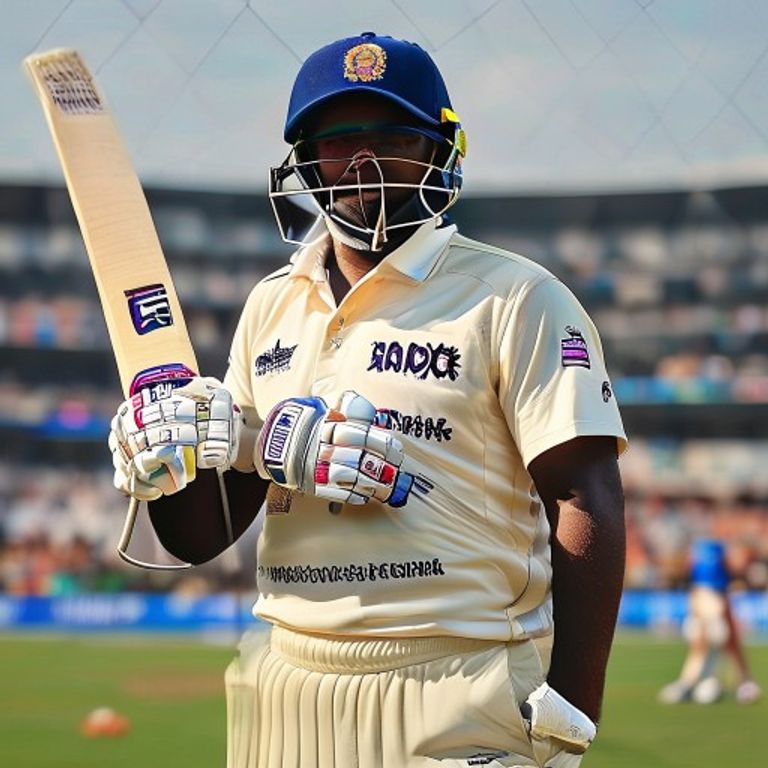
Modi’s IPL Masterstroke: How Legacy Shaped Cricket’s Billion-Dollar Empire
There are moments in the annals of sports history when a game transcends its boundaries, morphing from mere entertainment into a cultural phenomenon, an economic powerhouse, and a symbol of national ambition. The Indian Premier League (IPL) is undoubtedly one such moment. It’s a glittering spectacle of cricketing prowess, Bollywood glamour, and relentless commercial innovation that has redefined not just cricket, but the very landscape of global sports. But how did this colossal enterprise come to be? Was it a stroke of pure genius, a fortuitous alignment of stars, or something deeper, something rooted in a burgeoning national confidence and a particular kind of legacy?
To truly understand the IPL’s meteoric rise to a billion-dollar empire, we must delve beyond the surface-level narratives and explore the intricate web of vision, audacious execution, political currents, and a broader ‘Modi legacy’ that, while often attributed to one individual, truly represents a confluence of factors that shaped modern India. This isn’t just a story about cricket; it’s a saga of how a nation’s evolving identity, its economic aspirations, and its political will converged to create a sporting behemoth unlike any other.
Cricket Before the Storm: A Nation’s Undying Passion, Untapped Potential
Before the IPL burst onto the scene in 2008, Indian cricket was, in many ways, a paradox. It was a religion, a national obsession that transcended caste, creed, and language. Millions lived and breathed cricket, their emotions inextricably linked to the fortunes of the national team. Stadiums would be packed to the rafters, television ratings would soar during international matches, and cricketers were deified. Yet, beneath this fervent passion lay an almost archaic commercial structure. The game, while adored, hadn’t quite tapped into its full economic potential.
The traditional formats – Tests and One-Day Internationals (ODIs) – dominated the landscape. While these formats had their purists and their moments of glory, they often suffered from predictability, lengthy durations, and a lack of sustained, high-octane entertainment that modern audiences were beginning to crave. India, despite being the financial powerhouse of cricket, lagged behind global trends in sports marketing and league development. There was no equivalent of the English Premier League, the NBA, or the NFL – a homegrown, commercially vibrant, city-based league that could captivate audiences year-round and generate massive revenues.
Adding to the challenges were occasional controversies, including match-fixing scandals in the late 1990s and early 2000s, which, while ultimately overcome, highlighted a need for greater transparency and a more professionalized structure. The Board of Control for Cricket in India (BCCI), while immensely powerful and influential, was still largely a traditional body, sometimes resistant to radical change. The stage was set for a disruptor, a visionary who could see beyond the traditional boundaries and imagine a future where cricket was not just a game, but a global entertainment product.
The Visionary Spark: Lalit Modi and the Audacious Dream
The genesis of the IPL is inextricably linked to one name: Lalit Modi. A scion of an influential business family, Modi was not a traditional cricket administrator. He was a businessman, a marketer, and crucially, a disruptor. He had a keen eye for global sports trends, having spent time in the US and observed the highly commercialized models of American leagues. He saw the potential for a similar franchise-based, city-centric model in India, leveraging the nation’s unparalleled passion for cricket and its rapidly growing economy.
Modi’s vision was audacious. He proposed a Twenty20 (T20) league, a format that was then relatively new and often dismissed by purists. T20 was fast-paced, high-scoring, and designed for instant gratification – perfect for a new generation of consumers with shorter attention spans. He envisioned city-based franchises, owned by high-profile individuals or corporations, featuring a mix of international superstars and Indian talent, all competing in a high-octane, carnival-like atmosphere. It was a dream that combined the best of sport, entertainment, and business.
His initial efforts within the BCCI were met with skepticism. There was resistance from traditionalists who feared T20 would dilute the sanctity of cricket. There were doubts about the financial viability of such a grand project. But Modi was relentless. He meticulously crafted a business plan, demonstrating the immense revenue potential from broadcast rights, sponsorships, and gate receipts. He understood the power of brand building and the allure of celebrity, envisioning a league where Bollywood stars, industrialists, and cricketers would rub shoulders, creating an irresistible spectacle. This early, foundational period, driven by Modi’s singular vision, laid the groundwork for what would become a significant part of the broader modi legacy ipl narrative, showcasing the power of entrepreneurial drive within the complex world of Indian sports administration.
The BCCI’s Embrace and the Political Undercurrents
While Lalit Modi was the architect of the IPL’s concept, its realization required the full backing of the powerful BCCI. This is where the narrative broadens beyond a single individual and begins to touch upon the intricate interplay of business, sports, and politics that characterizes much of India’s economic landscape. The BCCI, often described as the wealthiest cricket board in the world, operates with significant autonomy and wields immense influence, not just within cricket but often extending into political circles.
The period leading up to the IPL’s launch was a time of significant economic growth and increasing global ambition for India. The country was shedding its post-colonial diffidence and embracing a more assertive, commercially driven identity. This broader national mood, a precursor to what many would later identify as a key component of the modi legacy ipl, provided fertile ground for a project as ambitious as the IPL. Powerful figures within the BCCI, including Sharad Pawar, then Union Minister for Agriculture and a former BCCI president, recognized the immense potential of Modi’s proposal. They understood that a successful Indian league would not only generate unprecedented revenues for the board but also elevate India’s standing in the global sporting arena.
The rapid approval and launch of the IPL in the face of initial skepticism were indicative of the political will and commercial acumen present within the BCCI at the time. It wasn’t just about cricket; it was about creating a global Indian brand, a showcase of India’s economic might and organizational capability. The ability to navigate bureaucratic hurdles, garner support from diverse stakeholders, and launch a multi-million dollar enterprise in a remarkably short span spoke volumes about the underlying administrative and political muscle that facilitated the IPL’s birth. This era marked a departure from traditional, slow-moving administrative processes, reflecting a new urgency and ambition that would become a hallmark of India’s rise.
The Grand Unveiling: A Spectacle That Changed Everything
On April 18, 2008, the IPL exploded onto the world stage with a dazzling opening ceremony and an electrifying first match between the Kolkata Knight Riders and the Royal Challengers Bangalore. From the outset, it was clear this was no ordinary cricket tournament. It was an event, a spectacle designed to entertain, thrill, and captivate. The player auction, held months prior, had already generated immense buzz, with franchises bidding millions for cricketing superstars like Sachin Tendulkar, Shane Warne, and Mahendra Singh Dhoni, alongside Bollywood icons like Shah Rukh Khan and Preity Zinta becoming team owners.
The matches themselves were a revelation. The T20 format delivered on its promise of high-octane action, with boundaries flowing freely, innovative shots, and dramatic finishes. The atmosphere in the stadiums was electric, fueled by music, cheerleaders, and enthusiastic crowds donning their team colors. Television ratings soared, far exceeding even the most optimistic projections. The IPL became instant must-watch television, not just for cricket fanatics but for families seeking prime-time entertainment.
The immediate impact was profound:
- Player Empowerment: Indian and international players suddenly found themselves commanding unprecedented salaries, transforming their financial futures and careers.
- Global Talent Magnet: The IPL attracted the best cricketing talent from around the world, creating a melting pot of styles and strategies.
- Media Rights Revolution: The initial broadcast rights deals were colossal, setting a new benchmark for sports media in India and demonstrating the immense commercial value of the league.
- Brand Building: City-based franchises quickly developed strong fan bases and became powerful brands, attracting major corporate sponsorships.
The IPL was an overnight sensation, solidifying its place as a transformative event in the history of cricket and demonstrating the immense potential of a commercially astute approach to sports. It was a testament to the audacious vision and the seamless execution that had brought it to life, laying down the initial layers of the enduring modi legacy ipl.
The Broader ‘Modi Legacy’: Beyond an Individual, A National Ethos
While Lalit Modi was instrumental in the IPL’s creation, the term ‘Modi legacy IPL’ encompasses something far broader and deeper than the efforts of a single individual. It speaks to a particular era in Indian history, characterized by an assertive economic nationalism, a drive for global recognition, and a willingness to embrace modern commercial strategies. This broader legacy, which later found its most prominent champion in Narendra Modi, provided the ideal socio-economic and political backdrop for the IPL’s success and sustained growth.
Economic Liberalization and Aspiration
The IPL emerged from an India that had undergone significant economic liberalization since the early 1990s. This transformation had unleashed entrepreneurial spirit, created a burgeoning middle class with disposable income, and fostered a culture of aspiration. The IPL, with its glitz, glamour, and promise of wealth, perfectly mirrored this new India – confident, ambitious, and unafraid to blend tradition with modernity. It was a product of an economy that was growing rapidly, creating a market large enough to sustain such a massive commercial enterprise. This era of economic dynamism is a crucial, often overlooked, aspect of the modi legacy ipl, providing the foundational strength for the league’s financial success.
Brand India on the Global Stage
The IPL quickly became a powerful symbol of ‘Brand India’. It showcased India’s organizational capabilities, its ability to host world-class events, and its growing influence in global sports. It was a statement to the world that India was not just a consumer of global trends but a creator of them. This desire for India to assert itself on the global stage, to be a leader rather than a follower, is a consistent thread that runs through the political and economic discourse of modern India. The IPL, by becoming a globally recognized, immensely successful sporting league, contributed significantly to this narrative, aligning perfectly with a broader vision of national pride and global leadership that is central to the modi legacy ipl in a national context.
Governance and Strategic Ambition
Despite its controversies, the IPL established a commercial model for sports leagues in India that was unprecedented. It demonstrated that a well-structured, professionally managed league could attract massive investment, generate enormous revenues, and create a sustainable ecosystem for talent development. This ambition to build robust institutions and commercial frameworks, even if sometimes imperfectly executed, reflects a strategic foresight that goes beyond individual personalities. It speaks to a deeper administrative desire to harness India’s strengths and channel them into commercially viable ventures that enhance its global standing. This institutional drive, coupled with entrepreneurial flair, defines a significant part of the enduring modi legacy ipl.
The Power of Narrative and Mass Appeal
The IPL created a compelling narrative of success, wealth, and entertainment that resonated deeply with the Indian populace. It offered a dream – for young cricketers to earn big, for entrepreneurs to own teams, for fans to be part of something grand. This ability to craft and sustain a powerful narrative, to capture the collective imagination of a nation, is a hallmark of successful mass movements and political campaigns alike. The IPL’s success in this regard reflects an understanding of the Indian psyche and its aspirations, a characteristic that defines much of the broader ‘Modi legacy’ in terms of connecting with the masses and articulating a vision for the future.
Challenges, Controversies, and Resilience
No journey of such magnitude is without its bumps and bruises. The IPL, despite its glittering success, has faced its share of formidable challenges and controversies, particularly in its earlier years. These episodes, while damaging at the time, also tested the league’s resilience and ultimately strengthened its foundations, proving the underlying robustness of the modi legacy ipl framework.
The most significant scandal erupted in 2013, involving allegations of spot-fixing and betting. This crisis rocked the league to its core, leading to arrests, investigations, and ultimately, the suspension of two prominent franchises, Chennai Super Kings and Rajasthan Royals, for two years. This period was a severe test of the IPL’s integrity and its ability to self-correct. The investigations revealed systemic issues and highlighted the need for stricter governance and oversight.
Prior to this, in 2010, the very architect of the IPL, Lalit Modi, was suspended by the BCCI amidst charges of financial irregularities, impropriety, and indiscipline. His subsequent expulsion and the ongoing legal battles cast a shadow over the league’s early years and brought into sharp focus the complex intersection of power, money, and governance within Indian cricket. These events demonstrated that while visionary leadership was crucial for creation, robust institutional frameworks and ethical conduct were essential for long-term sustainability.
Yet, through all these storms, the IPL not only survived but thrived. Its ability to bounce back, to implement reforms, to maintain fan loyalty, and to continue attracting top talent and sponsors, speaks volumes about its fundamental strength and the enduring appeal of its core product. The controversies, in a strange way, forced the league to mature, to professionalize its operations, and to reinforce its commitment to fair play and transparency. This resilience, the capacity to absorb shocks and emerge stronger, is a testament to the robust commercial model and the deep roots the IPL had established within the Indian sporting and economic landscape – a key aspect of the enduring modi legacy ipl.
The Billion-Dollar Empire: Economic Impact and Global Reach
Today, the IPL stands as a testament to unparalleled commercial success in sports. Its valuation has soared into billions of dollars, making it one of the most valuable sports leagues globally, rivaling established giants in football and basketball. This economic might is built on several pillars:
Massive Media Rights Deals
The broadcast rights for the IPL have consistently broken records. The latest media rights cycle (2023-2027) saw the BCCI rake in over $6.2 billion, making the IPL per-match value second only to the NFL. This staggering figure underscores the immense value broadcasters and streaming platforms place on the league’s content, recognizing its unparalleled reach and engagement.
Robust Sponsorships and Advertising
The IPL is a magnet for advertisers. From title sponsors to official partners and team sponsors, brands clamor to associate themselves with the league’s massive viewership and positive image. The advertising revenue generated during the IPL season is a significant boost to the Indian economy, driving consumer spending and brand visibility.
Franchise Valuations
The individual franchises themselves are now multi-million dollar entities, with valuations increasing year after year. Owning an IPL team is not just a passion project; it’s a lucrative business investment, attracting some of India’s most prominent corporations and individuals. The growth in franchise value reflects the underlying strength and future potential of the league, a direct outcome of the visionary planning inherent in the modi legacy ipl.
Impact on the Indian Economy
Beyond direct revenues, the IPL has a significant ripple effect on the Indian economy. It creates thousands of jobs – from players and coaches to support staff, event managers, media personnel, and hospitality workers. It boosts tourism, fills hotels, and stimulates local economies in host cities. The league has become an economic engine, contributing substantially to India’s GDP.
Global Footprint
While primarily an Indian league, the IPL’s reach is global. It attracts players from every major cricketing nation, providing them with a platform to showcase their skills, earn substantial incomes, and gain international exposure. The league is watched by millions around the world, making it a truly international sporting phenomenon. It has inspired other T20 leagues globally, demonstrating India’s leadership in sports commercialization. This global influence and financial dominance in cricket are defining features of the modern modi legacy ipl era, where India’s economic power translates directly into sporting authority.
Cultural and Social Transformation: More Than Just Cricket
The IPL’s impact extends far beyond the financial balance sheets and cricketing records. It has profoundly transformed India’s cultural and social fabric, reshaping how the nation consumes sport and perceives itself.
The T20 Revolution
The IPL single-handedly propelled T20 cricket from a niche format to the dominant force in the game. It proved that a shorter, more dynamic version of cricket could capture the imagination of a global audience, attracting new fans who might have found traditional formats too slow or inaccessible. This shift has had a cascading effect on international cricket, with T20 World Cups becoming major events and national boards increasingly prioritizing the format.
Youth Aspirations and Talent Development
For millions of young Indians, the IPL is now the ultimate dream. It offers a clear pathway to success, fame, and wealth, inspiring a new generation of cricketers to pursue the sport professionally. The league has also become a crucial platform for identifying and nurturing raw Indian talent, giving opportunities to players from small towns and rural areas who might otherwise have gone unnoticed. This democratic access to opportunity is a powerful social statement, resonating with broader themes of inclusive growth often associated with the modi legacy ipl in a national context.
Integration of Entertainment and Sport
The IPL seamlessly blended sport with entertainment, bringing Bollywood stars, music, and dance into the cricketing arena. This fusion created a carnival-like atmosphere, appealing to a wider audience beyond traditional cricket purists. It normalized the idea that sport could be both competitive and highly entertaining, influencing how other sports leagues in India and beyond approach their presentation.
Regional Pride and Unification
The city-based franchise model fostered a strong sense of regional identity and pride. Fans passionately support their local teams, creating healthy rivalries and a sense of community. Yet, paradoxically, the IPL also acts as a unifying force, bringing together people from diverse backgrounds under the common banner of cricket, celebrating shared national passion through regional affiliations. This dynamic interplay of local identity and national unity is a subtle yet powerful aspect of the league’s enduring appeal.
Lessons Learned and Future Outlook
The IPL’s journey offers invaluable lessons for sports organizations, businesses, and even nations seeking to create global brands and economic powerhouses:
- Visionary Leadership is Key: The courage to dream big and challenge existing paradigms is essential. Lalit Modi’s initial vision, though controversial, was undeniably transformative.
- Embrace Innovation: Adapting to changing consumer preferences, whether through new formats like T20 or innovative marketing strategies, is crucial for sustained relevance.
- Strong Commercial Model: A robust business plan, focused on diverse revenue streams (media rights, sponsorships, merchandise), is the backbone of long-term success.
- Balance Local and Global: The IPL successfully blended global cricketing talent with local Indian pride, creating a unique and compelling product.
- Resilience in the Face of Adversity: The ability to weather controversies, implement reforms, and maintain stakeholder trust is vital for longevity.
- Leverage National Strengths: The IPL capitalized on India’s massive population, economic growth, and unparalleled passion for cricket, demonstrating how national assets can be converted into global advantages. This strategic leveraging of national strengths is a critical element of the broader modi legacy ipl.
Looking ahead, the IPL faces both opportunities and challenges. The continued growth of digital consumption, the potential for further international expansion, and the development of new talent pools present exciting prospects. However, maintaining competitive balance, managing player fatigue, ensuring ethical governance, and adapting to evolving global sports landscapes will be crucial for its continued dominance. The league’s ability to navigate these complexities will determine if it can sustain and further build upon the immense foundation laid by the original vision and the enduring modi legacy ipl.
Conclusion: A Legacy Forged in Cricket and Commerce
The Indian Premier League is far more than just a cricket tournament; it is a profound testament to the power of vision, audacious execution, and the dynamic interplay of sport, business, and national ambition. It emerged from an India undergoing rapid transformation, a nation ready to assert its economic might and cultural influence on the global stage. The initial spark provided by individuals like Lalit Modi, coupled with the strategic backing of the BCCI and the fertile ground of a burgeoning economy, created the perfect storm for its unprecedented success.
The term ‘Modi legacy IPL’ thus encapsulates not just the individual efforts of its early architects, but a broader historical moment. It represents the legacy of an India that dared to dream big, to innovate, and to create a global phenomenon that perfectly blended its traditional passion for cricket with modern commercial acumen and an assertive national identity. This legacy is about more than just a surname; it’s about the spirit of an era – an era of economic liberalization, global aspiration, and the unwavering belief that India could not only compete with the world’s best but also redefine the rules of the game.
Today, as the IPL continues to break records, captivate millions, and inspire new generations, its story remains a powerful reminder of how a well-conceived idea, backed by strategic foresight and a confident national ethos, can transform a sport, an economy, and ultimately, a nation’s place in the world. The IPL stands as a shining beacon of India’s commercial prowess and its enduring love affair with cricket, a billion-dollar empire indelibly shaped by a potent and multifaceted modi legacy ipl.