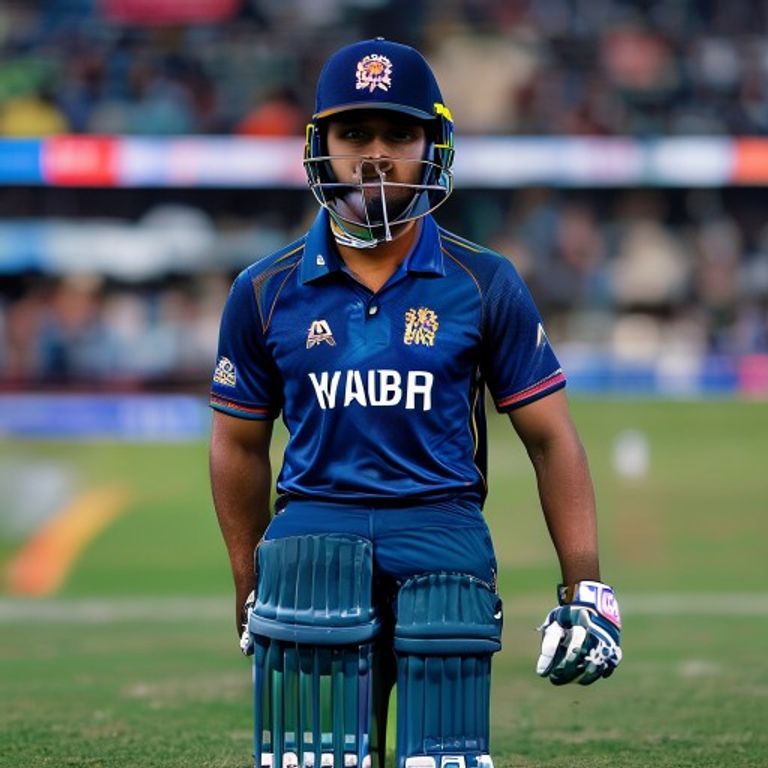
RCB IPL: Is The Wait Finally Over for the Royal Challengers?
Ah, the Indian Premier League. A spectacle of cricketing brilliance, a carnival of emotions, and for millions, a yearly pilgrimage into the heart of T20 madness. And at the very core of this vibrant tapestry, pulsating with a unique blend of hope, despair, and an unyielding spirit, stands one franchise that defines the essence of the IPL experience perhaps more than any other: the Royal Challengers Bangalore. For years, the phrase RCB IPL has been synonymous not just with star power and thrilling cricket, but also with a tantalizing, almost cruel, wait. A wait for the elusive trophy, the one piece of silverware that has steadfastly refused to grace their cabinet.
Every single season, as the auction gavels fall and the squads take shape, a familiar question begins to echo through the cricketing world, growing louder with each passing day: “Is this finally RCB’s year?” For the legions of red and gold faithful, it’s more than a question; it’s a prayer, a fervent wish whispered into the Bangalore winds. They’ve seen their heroes deliver breathtaking individual performances, witnessed moments of unparalleled genius, and felt the surge of adrenaline as their team soared to the top of the table. Yet, time and again, the dream has dissolved, leaving behind a familiar ache and a renewed vow to return stronger.
But what if, just what if, the script is about to change? What if the stars are finally aligning? What if the relentless pursuit, the strategic adjustments, and the sheer grit of the players are on the verge of culminating in that one glorious, unforgettable moment? This isn’t just a blog post; it’s an exploration, a deep dive into the heart and soul of RCB IPL, dissecting its past, analyzing its present, and daring to dream about its future. We’re going to peel back the layers of history, celebrate the legends, lament the near misses, and critically examine whether the perpetual wait for the Royal Challengers Bangalore to lift the IPL trophy is, at long last, truly over.
The Legacy of Almost: A Decade and a Half of Tantalizing Near Misses
To understand the current sentiment surrounding RCB IPL, one must first revisit its tumultuous, yet utterly captivating, history. Since the inaugural season in 2008, Royal Challengers Bangalore has been a marquee franchise, boasting a fan base that rivals, if not surpasses, any other in sheer passion and loyalty. They’ve consistently attracted some of the biggest names in world cricket, forming a glittering galaxy of stars that promised an unassailable dominance. Yet, the trophy has always remained just out of reach.
Think about it. Three times they’ve reached the final – 2009, 2011, and 2016. Each instance was a testament to their ability to peak at crucial moments, to overcome formidable opponents, and to play a brand of cricket that was both exhilarating and effective. In 2009, under the astute leadership of Anil Kumble, they faced the Deccan Chargers in a low-scoring thriller that slipped away in the dying overs. Two years later, in 2011, playing on their home ground, the M. Chinnaswamy Stadium, they were outplayed by a formidable Chennai Super Kings side led by MS Dhoni. And then came 2016, a season that felt destined for glory. Led by a superhuman Virat Kohli, who notched up an astonishing 973 runs, RCB roared into the final, only to be denied by a resilient Sunrisers Hyderabad in another heartbreaking home defeat.
These aren’t just statistics; they are scars on the collective memory of every RCB IPL fan. Each final loss wasn’t merely a defeat; it was a dagger to the heart, a stark reminder of the elusive nature of ultimate success. It created a narrative of being the “chokers,” a label that, while often unfair given the quality of their opponents and the fine margins of T20 cricket, stuck nonetheless. The team had everything – the superstars, the massive fan following, the iconic stadium – everything except that one crowning achievement. This legacy of “almost” has become deeply ingrained in the RCB identity, shaping expectations and fueling both hope and trepidation with equal measure every single season. It’s a weight that every player donning the red and gold jersey carries, and it’s this very weight that makes the prospect of breaking the jinx so incredibly compelling.
The Heart of the Matter: Why RCB Captivates Millions
In a league brimming with successful franchises, champion teams, and star-studded rosters, what is it about RCB IPL that commands such an unparalleled, almost cult-like following? Why do millions wake up, bleed red, and chant “Ee Saala Cup Namde” (This Year, The Cup Is Ours) with unwavering conviction, even after years of disappointment? It’s a phenomenon that transcends mere cricketing success and delves deep into the realm of emotional connection.
Firstly, the sheer star power has always been a magnetic draw. From Rahul Dravid and Jacques Kallis in the early days to the holy trinity of Virat Kohli, AB de Villiers, and Chris Gayle, and now extending to Glenn Maxwell and Faf du Plessis, RCB has consistently been home to some of the most exciting and dominant cricketers globally. Watching these titans of the game unleash their brilliance in the high-octane environment of the IPL is an experience in itself. For many, supporting RCB IPL is akin to rooting for the Harlem Globetrotters of cricket – you come for the entertainment, the audacious shots, and the moments of individual genius that defy belief.
Secondly, there’s the city of Bangalore itself. A vibrant, youthful, and tech-savvy metropolis, it embodies a certain aspiration and dynamism. The fans reflect this energy, bringing an unmatched fervor to the Chinnaswamy Stadium. The roar of the crowd, the sea of red, the electric atmosphere – it’s an experience that captivates even neutrals. This isn’t just a cricket team; it’s an extension of the city’s pride, a symbol of its spirit. The fans don’t just watch; they participate, they live and breathe every boundary, every wicket, every heart-stopping moment.
Thirdly, and perhaps most profoundly, it’s the narrative of the underdog, the perpetual quest. Despite their star power, the lack of a trophy has positioned RCB as the eternal aspirants. There’s a romanticism in rooting for a team that consistently tries, falls short, but never gives up. It fosters a deep sense of empathy and solidarity among the fan base. They’ve seen their heroes fight, struggle, and rise again, and in doing so, they’ve found a reflection of their own resilience. The hope, the agony, the shared experience of the journey – it creates an unbreakable bond. This unique blend of star power, city pride, and the compelling narrative of the chase makes RCB IPL an irresistible force in the cricketing landscape, regardless of the trophy cabinet’s emptiness.
Iconic Figures and Their Indelible Impact on RCB IPL
No discussion about RCB IPL would be complete without revering the individuals who have etched their names into the franchise’s folklore. These are the players who have carried the hopes of millions on their shoulders, delivered moments of individual brilliance, and shaped the very identity of the Royal Challengers Bangalore.
-
Virat Kohli: The King, The Heartbeat, The Icon
If there’s one name synonymous with RCB IPL, it’s Virat Kohli. He’s been with the franchise since its inception, the only player to play for a single team throughout the IPL’s history. From a prodigious youngster to the undisputed king of modern cricket, Kohli’s journey with RCB mirrors the team’s own rollercoaster ride. His record-breaking 2016 season, where he amassed an unbelievable 973 runs with four centuries, remains a benchmark of T20 batting. His passion, his aggression, his unwavering commitment to the team, even when results weren’t going their way, has made him the spiritual leader and the ultimate symbol of RCB. Every run, every boundary, every passionate celebration from Kohli ignites the Chinnaswamy crowd, making him an irreplaceable part of the RCB IPL narrative. His captaincy tenure, though trophy-less, was marked by an intense desire to win, pushing himself and his teammates to their limits. -
AB de Villiers: Mr. 360, The Entertainer, The Genius
“Mr. 360” – the name itself evokes images of audacious scoops, reverse sweeps, and shots played to every corner of the ground. AB de Villiers was pure magic. His ability to turn games on their head from seemingly impossible situations was legendary. The partnership between Kohli and ABD became the stuff of legends, a symphony of destruction that opposition bowlers dreaded. Whether it was his incredible hitting prowess, his acrobatic fielding, or his calm demeanor under pressure, ABD embodied the thrill and excitement that RCB IPL promised. His retirement left a void that is almost impossible to fill, but his legacy of fearless, innovative cricket continues to inspire. -
Chris Gayle: The Universe Boss, The Destroyer
Before the Kohli-ABD era, there was the Gayle Storm. Chris Gayle, the self-proclaimed “Universe Boss,” redefined T20 batting with his sheer power and destructive capability. His record-breaking 175* against Pune Warriors India in 2013, still the highest individual score in T20 history, is a testament to his brute force and ability to single-handedly dismantle bowling attacks. When Gayle was on song, the opposition had no answer. He brought an infectious swagger and an unapologetic approach to hitting sixes that perfectly complemented the aggressive brand of cricket RCB IPL aimed to play. -
Glenn Maxwell: The Big Show, The X-Factor
In more recent times, Glenn Maxwell has emerged as a crucial component of the RCB IPL setup. After bouncing around various franchises, Maxwell found a stable and impactful role with RCB. His all-round abilities – explosive hitting, clever off-spin, and dynamic fielding – provide the team with the much-needed X-factor. He’s often been the catalyst for late-innings surges or crucial breakthroughs with the ball, proving to be a vital cog in their recent campaigns and a player who thrives on the big stage. -
Faf du Plessis: The Captain, The Anchor, The Strategist
Taking over the captaincy from Virat Kohli was an unenviable task, but Faf du Plessis has embraced it with maturity and tactical acumen. His calm leadership, consistent batting at the top, and astute field placements have brought a new dimension of stability and strategic depth to RCB IPL. He’s not just a run-scorer; he’s a leader who has fostered a positive team environment and instilled a sense of belief.
These players, and many others like Jacques Kallis, Anil Kumble, Yuzvendra Chahal, and Devdutt Padikkal, have contributed immensely to the rich tapestry of RCB IPL. Their individual heroics and collective efforts have ensured that even without the ultimate prize, the Royal Challengers Bangalore remain one of the most exciting and talked-about teams in the history of the Indian Premier League.
Dissecting Past Seasons: What Went Wrong for RCB IPL?
The journey of RCB IPL is a fascinating case study in professional sport. How does a team with such consistent star power, immense financial backing, and unparalleled fan support repeatedly fall short of the ultimate prize? It’s a question that has puzzled experts and tormented fans for years. Let’s delve into some recurring themes and critical factors that have often derailed RCB’s trophy aspirations.
1. Over-reliance on a Few Individuals: The “Big Three” Syndrome
For a significant period, particularly during the peak of the Kohli-ABD-Gayle era, RCB IPL was heavily reliant on its top three or four batsmen. While these players delivered spectacular performances, their occasional failures exposed a fragile middle order that struggled to cope with pressure. If the “Big Three” didn’t fire, the team often crumbled. This lack of batting depth meant that a consistent contribution from all players was rare, putting immense pressure on the marquee stars every single game.
2. Bowling Woes: The Perennial Achilles’ Heel
Perhaps the most consistent and glaring weakness for RCB IPL throughout its history has been its bowling attack. While individual bowlers have had brilliant seasons, the team has struggled to assemble a consistently strong, well-rounded bowling unit capable of defending totals or picking up wickets at crucial junctures. Fast bowlers often went for too many runs in the death overs, and spin options, while sometimes effective, lacked the consistent wicket-taking threat seen in champion teams like CSK or MI. The Chinnaswamy Stadium, with its flat pitch and small boundaries, often exacerbated these issues, turning even competitive totals into chaseable ones for the opposition.
3. Strategic Blunders in Auctions and Team Composition
The IPL auction is a high-stakes game of chess, and RCB IPL has, at times, been criticized for its auction strategies. There have been instances where the team seemed to prioritize acquiring big names over building a balanced squad. This often led to an abundance of top-order batsmen but a dearth of reliable all-rounders, death bowlers, or quality Indian middle-order batsmen. The constant chopping and changing of core players, particularly in the bowling department, prevented the team from building a stable and cohesive unit over several seasons, a hallmark of successful franchises.
4. Choking in Crucial Moments: The Mental Barrier
While “choking” is a harsh term, it’s undeniable that RCB IPL has, on several occasions, faltered at the most critical junctures. The three final losses are prime examples, but there have been numerous playoff games and crucial league stage encounters where the team, despite being in a strong position, failed to close out the match. Whether it’s the immense pressure, a momentary lapse in concentration, or a lack of collective mental fortitude, this inability to consistently perform under extreme pressure has been a significant hurdle.
5. Lack of Consistent All-rounders
T20 cricket thrives on all-rounders who can contribute with both bat and ball. For a long time, RCB IPL struggled to find and retain quality all-rounders who could provide balance to the squad. This forced them to either play an extra batsman, weakening the bowling, or an extra bowler, shortening the batting line-up. The absence of genuine two-dimensional players who could consistently deliver in both departments often left the team vulnerable.
These recurring issues, sometimes individually, sometimes in combination, have historically conspired to keep the RCB IPL trophy cabinet bare. Recognizing and addressing these deep-seated problems has been a continuous process for the franchise, and recent seasons have shown a concerted effort to rectify some of these historical shortcomings.
The Unwavering Fan Base: A Phenomenon Beyond Cricket
If there’s one aspect of RCB IPL that stands head and shoulders above all others, it’s the phenomenal, almost religious, devotion of its fan base. In a country where cricket is a religion, the Royal Challengers Bangalore faithful are arguably its most passionate congregation. They are a phenomenon, a force of nature that defies logic, embraces hope, and never, ever gives up.
Walk into the M. Chinnaswamy Stadium on an RCB IPL match day, and you’re not just entering a cricket ground; you’re stepping into a vibrant, pulsating sea of red. The atmosphere is electric, a cacophony of cheers, chants, and the rhythmic beat of drums that reverberates through the city. The “Ee Saala Cup Namde” slogan isn’t just a catchy phrase; it’s a declaration of intent, a collective dream, a promise that is renewed with every sunrise of a new IPL season. It’s chanted with conviction, screamed with passion, and sung with a unity that is truly goosebump-inducing.
What makes this fan base so unique? It’s their unwavering loyalty despite the lack of silverware. In a results-driven world, where allegiances often shift with success, RCB IPL fans have stood by their team through thick and thin, through spectacular highs and crushing lows. They celebrate individual brilliance as if it were a collective triumph, and they mourn defeats with a shared sense of heartbreak. This loyalty isn’t just confined to Bangalore; it extends globally, with pockets of red and gold visible in every corner of the cricketing world.
Social media platforms become battlegrounds of banter and expressions of love. Every team announcement, every player signing, every match result is dissected, debated, and celebrated with an intensity that few other franchises can command. The memes, the fan art, the passionate discussions – it all contributes to a vibrant ecosystem that keeps the RCB IPL spirit alive 365 days a year.
This deep connection goes beyond the game itself. For many, supporting RCB is an identity, a shared experience that fosters community and camaraderie. It’s about the hope, the journey, the belief that one day, their collective dream will be realized. This unwavering support, this unconditional love, is the true trophy of RCB IPL, a testament to the power of sport to unite and inspire. It is this very fan base that fuels the players, pushing them to strive harder, to fight longer, and to never give up on the quest for that elusive cup.
The Evolution of the Team: Learning from Mistakes and Building for the Future
The narrative of RCB IPL is not just one of repeated disappointments; it’s also a story of resilience, adaptation, and a continuous effort to learn from past mistakes. In recent years, there has been a noticeable shift in the franchise’s approach, moving away from a purely star-studded, top-heavy strategy towards building a more balanced and sustainable team core.
One of the most significant changes has been in the management and coaching staff. New voices and fresh perspectives have been brought in, aiming to instill a culture of collective responsibility rather than relying solely on individual brilliance. This has led to a more nuanced approach in the auctions, with a greater emphasis on acquiring players who fit specific roles and complement the existing squad, rather than just chasing the biggest names.
For instance, there’s been a conscious effort to bolster the bowling department. Instead of just picking a couple of marquee fast bowlers, RCB IPL has invested in a diverse range of options, including death-over specialists, genuine swing bowlers, and wrist-spinners who can operate effectively in the middle overs. The focus has been on building a bowling unit that can perform consistently across different conditions and against various opposition batting line-ups.
Furthermore, the franchise has paid more attention to developing and integrating domestic talent. While the allure of international stars remains, there’s a growing recognition of the importance of a strong Indian core. Identifying promising young players, nurturing them, and providing them with opportunities to shine has become a key part of their strategy. This not only builds depth but also ensures a long-term vision for the team, moving beyond a season-by-season rebuild.
The leadership transition from Virat Kohli to Faf du Plessis also marked a significant strategic shift. While Kohli’s passion was undeniable, the move to an experienced international captain known for his calm demeanor and tactical acumen has brought a new layer of stability and strategic thinking to the RCB IPL setup. Du Plessis’s ability to marshal his resources effectively and lead from the front with the bat has been crucial in recent campaigns.
Another area of improvement has been the focus on all-rounders. Players like Glenn Maxwell and Wanindu Hasaranga (in previous seasons) have provided the much-needed balance, allowing the team to bat deeper and have more bowling options. This multi-dimensional approach ensures that the team is less vulnerable if one or two key players have an off day.
These strategic adjustments reflect a maturing franchise, one that understands the complexities of winning the Indian Premier League. While the results haven’t always translated into a trophy, the evolution of the team’s philosophy and approach suggests a franchise that is genuinely committed to rectifying its past shortcomings and building a sustainable path to success. The question now is whether these changes are enough to finally break the jinx.
Key Moments and Near Misses: The Agony and Ecstasy of RCB IPL
The history of RCB IPL is a mosaic of breathtaking highs and agonizing lows, punctuated by moments that have lived long in the memory of fans. These are the games, the individual performances, and the collective efforts that have defined their journey, shaping the narrative of hope and heartbreak.
The Highs: Moments of Unadulterated Brilliance
- Chris Gayle’s 175* (2013): This remains perhaps the most iconic individual performance in IPL history. Gayle’s brutal assault on the Pune Warriors India bowling attack saw him smash 175 runs off just 66 balls, including 17 sixes. It was a spectacle of power-hitting that set numerous records and showcased the destructive potential of RCB IPL.
- Virat Kohli’s Four Centuries in 2016: The 2016 season was Virat Kohli’s magnum opus. He scored an unbelievable 973 runs, including four centuries, leading his team almost single-handedly to the final. His century against Gujarat Lions with stitches in his hand was a testament to his grit and determination. Each century was a masterclass in T20 batting, making him the undisputed king of that season.
- AB de Villiers’s Playoff Heroics (2016 Qualifier 1): Chasing 159 against Gujarat Lions in Qualifier 1, RCB IPL found themselves in deep trouble at 68/6. What followed was one of the greatest playoff innings ever. AB de Villiers, with Iqbal Abdulla for company, played a counter-attacking knock of 79* off 47 balls, steering RCB to an improbable victory and into the final. It was a display of nerve, skill, and sheer brilliance.
- The Chinnaswamy Roar: Any match at the M. Chinnaswamy Stadium, especially when RCB IPL is on a roll, is a high in itself. The atmosphere created by the passionate fans, particularly during a thrilling run chase or a crucial wicket, is unparalleled and has often inspired the team to perform beyond expectations.
The Lows: The Heartbreaks and Near Misses
- The 2009 Final (vs. Deccan Chargers): After a remarkable turnaround under Anil Kumble’s captaincy, RCB reached their first final. Chasing a modest 144, they fell short by just six runs in a tense encounter, leaving fans devastated. It was the first taste of final heartbreak for RCB IPL.
- The 2011 Final (vs. Chennai Super Kings): Playing at home, the stage was set for RCB to lift the trophy. However, a dominant performance by CSK, particularly Murali Vijay’s century, saw them post a massive 205. RCB’s chase never truly got going, and they lost by 58 runs, a bitter pill to swallow for the home crowd.
- The 2016 Final (vs. Sunrisers Hyderabad): This was perhaps the most painful of all. With Virat Kohli in sublime form and the team having peaked at the right time, RCB IPL were strong favorites, playing at their beloved Chinnaswamy. SRH posted 208, and despite a blistering start from Gayle and Kohli, the middle order faltered under pressure, and they lost by 8 runs. The collective gasp and subsequent silence of the stadium was deafening.
- Consistent Playoff Exits: Beyond the finals, RCB has had numerous instances of making it to the playoffs only to stumble. Whether it was a dominant league stage performance followed by a knockout round loss, or a late surge that couldn’t quite seal the deal, these exits have added to the narrative of “almost.” The inability to cross the finish line when it matters most has been a recurring theme.
These moments, both glorious and gut-wrenching, are etched into the memory of every RCB IPL fan. They represent the emotional rollercoaster that defines supporting the Royal Challengers Bangalore, fueling the hope that one day, the triumphs will finally outweigh the heartbreaks, and the wait will be over.
The Psychological Game: Pressure, Expectations, and the ‘Ee Saala Cup Namde’ Mantra
The world of professional sports, especially a high-stakes league like the IPL, is as much a mental battle as it is a physical one. For RCB IPL, the psychological game has always been a significant factor, amplified by the immense pressure and the almost impossible expectations placed upon them by their fervent fan base and the media. The “Ee Saala Cup Namde” mantra, while a powerful expression of hope and unity, also carries a heavy burden.
Imagine being a player stepping onto the field for RCB IPL. You’re not just representing a franchise; you’re representing the hopes and dreams of millions. Every boundary is cheered like a match-winning moment, every wicket is celebrated with a roar that could shake the stadium. This level of support is incredibly motivating, but it’s also a double-edged sword. The weight of expectation can become crushing, leading to individual errors or collective collapses under pressure. The fear of failure, particularly in crucial knockout matches, can sometimes override the desire to play freely and expressively.
The history of near misses and final losses has undoubtedly created a mental block, a narrative of “choking” that players, consciously or subconsciously, might carry. Overcoming this ingrained perception requires immense mental fortitude, a strong team environment, and leadership that can shield players from external noise and foster a belief in their ability to perform under duress. It’s about building a winning culture that prioritizes process over outcome, focusing on execution rather than the monumental task of breaking a 15-year jinx.
The “Ee Saala Cup Namde” slogan, while a rallying cry, also sets an incredibly high bar. It’s a declaration that implicitly demands nothing less than the trophy. While this ambition is commendable, it can sometimes overshadow the smaller victories, the incremental improvements, and the sheer effort put in by the team throughout a long season. For RCB IPL to truly break through, they need to internalize this mantra as a source of inspiration, not an overwhelming obligation. They need to transform the pressure into privilege, viewing the massive fan support as an advantage rather than a burden.
The psychological aspect extends to player recruitment and retention too. Identifying players who thrive under pressure, who have a strong temperament, and who can contribute consistently in high-stakes situations is crucial. The leadership group, including the captain and coaching staff, plays a pivotal role in creating a mentally resilient squad, one that can bounce back from setbacks and maintain composure when the stakes are highest. Addressing this psychological dimension is just as important as perfecting strategies or honing skills if RCB IPL is to finally turn its potential into palpable success.
Comparing RCB to Other IPL Dynasties: What Do Champions Do Differently?
To truly understand why RCB IPL has struggled to lift the trophy, it’s insightful to compare their journey with that of the league’s most successful franchises: Mumbai Indians (MI) and Chennai Super Kings (CSK). These two teams have dominated the IPL, consistently reaching playoffs and accumulating multiple titles. What sets them apart, and what lessons can RCB learn?
1. Building a Core and Stability:
- MI & CSK: Both franchises have excelled at identifying a strong core of players and retaining them over many seasons. This stability fosters team cohesion, understanding among players, and a consistent team culture. They rarely make wholesale changes, preferring to fine-tune rather than overhaul.
- RCB IPL: Historically, RCB has been more prone to chopping and changing, particularly in its bowling department and middle order. This has prevented them from building a stable, long-term core, leading to a lack of continuity and sometimes, a struggle for new players to gel quickly.
2. Auction Strategies and Squad Balance:
- MI & CSK: Their auction strategies are often lauded for their foresight and focus on building a balanced squad. They prioritize versatile all-rounders, reliable Indian middle-order batsmen, and a diverse bowling attack that performs well in all phases of the game. They rarely overspend on one or two players at the expense of squad depth.
- RCB IPL: In the past, RCB has sometimes been accused of chasing big names, leading to a top-heavy batting line-up but weaknesses in other areas, especially bowling depth or a strong Indian middle order. While recent years show improvement, the historical imbalance has been a concern.
3. Leadership and Mentorship:
- MI & CSK: Both teams have benefited from exceptional long-term leadership. Rohit Sharma for MI and MS Dhoni for CSK are not just captains; they are strategists, mentors, and calming presences who have instilled a winning mentality. Their ability to get the best out of their players, especially youngsters, is legendary.
- RCB IPL: While Virat Kohli’s passion was undeniable, the captaincy pressure often seemed immense. The transition to Faf du Plessis has brought stability, but the long-term, consistent leadership and mentorship seen in MI and CSK have been harder to establish for RCB.
4. Nurturing Talent and Bench Strength:
- MI & CSK: They have an excellent track record of scouting and developing young Indian talent, transforming lesser-known players into match-winners. Their bench strength is often formidable, ensuring that injuries or dips in form don’t derail their campaigns.
- RCB IPL: While they’ve had individual successes like Devdutt Padikkal or Yuzvendra Chahal, the consistent production line of Indian talent and the robust bench strength haven’t been as pronounced as with the champions.
5. Performance Under Pressure:
- MI & CSK: These teams have a knack for performing their best in crunch situations – playoffs, finals, and close league games. They often have players who rise to the occasion under immense pressure, a testament to their mental fortitude and strategic clarity.
- RCB IPL: As discussed, the “choking” narrative has often plagued RCB, with the team faltering in crucial moments despite strong performances in the league stage. Overcoming this mental hurdle is paramount.
By studying these differences, RCB IPL can continue to refine its strategies. It’s not