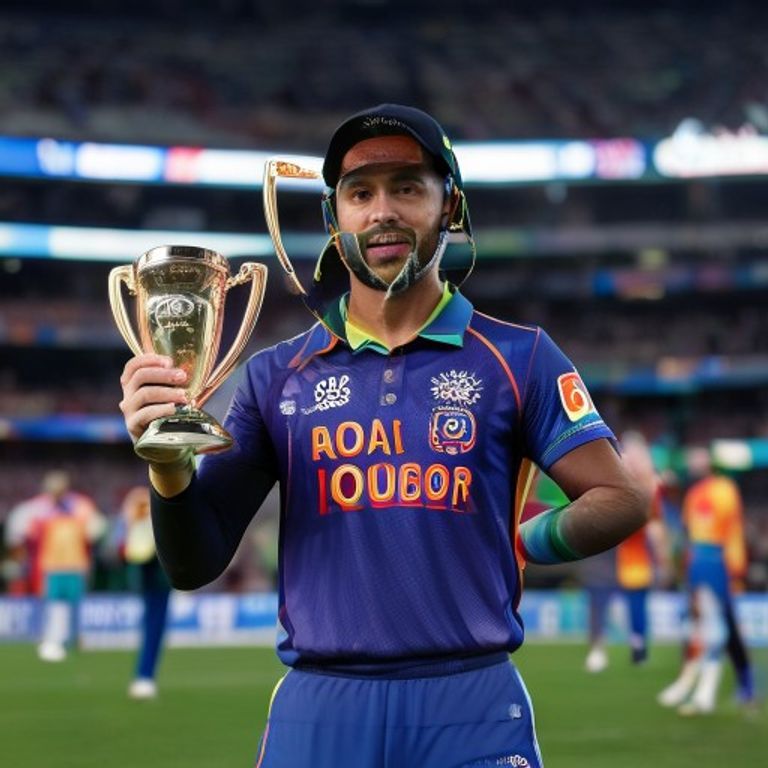
The roar is deafening. The stadium, a sea of red and black, vibrates with an energy that could power a small city. Every six, every wicket, every single boundary elicits a visceral, almost spiritual reaction from the faithful. This isn’t just a cricket match; it’s a carnival, a religion, a collective dream woven into the fabric of a city’s identity. We’re talking, of course, about the Royal Challengers Bangalore (RCB) and their enduring, often heart-wrenching, journey in the Indian Premier League (IPL).
For sixteen seasons, the question has hung heavy in the Bangalore air, echoing across social media, debated in every chai shop and corporate office: “Is the trophy finally coming home?” For a franchise synonymous with superstar power, breathtaking batting, and an unshakeable fan base, the absence of an IPL title is not just a statistic; it’s a gaping void, a “million-dollar question” that haunts every single rcb ipl enthusiast. This isn’t just about winning a tournament; it’s about validating a passion, fulfilling a prophecy, and finally, silencing the whispers of “chokers” that, however unfair, have become a part of the narrative.
In this comprehensive deep-dive, we’re not just going to scratch the surface. We’re going to excavate the layers of history, dissect the team’s strategies, celebrate its legends, lament its near misses, and ultimately, try to understand why this behemoth of a franchise, with all its might and magic, has yet to lift the coveted rcb ipl trophy. Get ready to embark on a journey through the highs, the lows, and the undying hope that defines the Royal Challengers Bangalore experience.
The Genesis of a Phenomenon: More Than Just a Team
From its inception in 2008, RCB wasn’t just another franchise; it was positioned as a glamorous, high-octane spectacle. Backed by Vijay Mallya and representing the vibrant, tech-savvy city of Bangalore, the team quickly attracted eyeballs. But it was the early acquisition of cricketing titans that truly cemented its place in the hearts of fans. Rahul Dravid, Jacques Kallis, Anil Kumble – legends graced the early squads. Yet, even with such stalwarts, the initial seasons were a mixed bag, showing flashes of brilliance but lacking the consistency needed for championship glory. The blueprint for a star-studded, yet often inconsistent, journey was being laid.
The rise of the rcb ipl phenomenon, however, truly began with the arrival and subsequent dominance of players who would become synonymous with the franchise: Virat Kohli, AB de Villiers, and later, Chris Gayle. These three, often referred to as the “holy trinity” or “the big three,” transformed RCB into arguably the most exciting batting unit in T20 history. Their individual brilliance, often simultaneously displayed, created moments of unparalleled cricketing joy. Yet, the collective aspiration for the trophy remained elusive, a constant shadow over their dazzling performances.
The Unwavering Sea of Red: The RCB Fanbase
Before we delve into the cricketing specifics, it’s crucial to acknowledge the soul of RCB: its fans. The “Ee Saala Cup Namde” (This Year, The Cup Is Ours) mantra isn’t just a slogan; it’s a declaration of faith, a collective prayer uttered with unwavering belief season after season. The M. Chinnaswamy Stadium, RCB’s home ground, transforms into a cauldron of noise and colour, a twelfth man that genuinely intimidates opposition. Few franchises in the IPL, or indeed in global sports, command such passionate, loyal, and vocal support, despite the prolonged drought of a championship title. This loyalty, often cited as the strongest in the league, is a testament to the emotional connection the team has forged with its followers. It’s this very passion that amplifies the “million-dollar question” – these fans deserve to see their faith rewarded.
The Legacy of Heartbreak: A Deep Dive into Near Misses
RCB’s journey in the rcb ipl is punctuated by moments of breathtaking brilliance and gut-wrenching near misses. They’ve reached the finals three times – in 2009, 2011, and 2016 – only to stumble at the final hurdle. Each instance adds another layer to the narrative of what many perceive as a ‘cursed’ franchise.
- 2009: The Deccan Chargers Defeat: In only their second season, RCB, under the captaincy of Anil Kumble, made it to the final. Facing Adam Gilchrist’s Deccan Chargers, they fought hard but ultimately fell short by 6 runs in a tense encounter. It was a promising start that hinted at future glory, but also set a precedent for falling just short.
- 2011: The CSK Dominance: This season saw RCB as a formidable force, with Chris Gayle joining the squad and setting the tournament on fire. They topped the league stage but met their match in the final against a clinical Chennai Super Kings side led by MS Dhoni. CSK’s comprehensive 58-run victory exposed some of RCB’s bowling frailties and their over-reliance on a few key batsmen.
- 2016: The Sunrisers Hyderabad Agony: Perhaps the most painful of all. Playing at their home ground, the Chinnaswamy, RCB had the entire city behind them. Virat Kohli was in god-like form, scoring an unprecedented 973 runs in the season. With AB de Villiers and Chris Gayle also firing, it felt like destiny. Chasing 209 against Sunrisers Hyderabad, RCB got off to a blistering start, reaching 114/0 in 10.3 overs. The trophy seemed within touching distance. Then, a collapse. From a position of absolute dominance, they crumbled, losing by 8 runs. The silence in the stadium that night was deafening, a collective sigh of disbelief from millions of fans. This particular loss cemented the “chokers” tag for many and became a defining moment in the rcb ipl narrative.
Beyond the finals, there have been numerous playoff appearances that ended in disappointment. Crucial eliminators, qualifiers, and league-stage matches where victory slipped from their grasp in the dying overs. These consistent near misses contribute significantly to the “million-dollar question” surrounding RCB. It’s not a lack of talent, nor a lack of effort; it often appears to be a systemic issue, perhaps a mental block, that prevents them from crossing the finish line when it matters most.
The Pantheon of Stars: Kohli, ABD, Gayle & More
No discussion about rcb ipl is complete without eulogizing the superstars who have donned the red and black jersey. Their individual brilliance has, at times, single-handedly carried the team, creating a spectacle that transcends the results.
Virat Kohli: The Heartbeat of RCB
Virat Kohli is not just a player for RCB; he is its soul, its most enduring symbol. Having been with the franchise since its inaugural season, he holds the record for the most runs in rcb ipl history and indeed, in the entire IPL. His 2016 season, with 973 runs including four centuries, remains an unparalleled feat of T20 batting. As captain for many years, he bore the immense weight of expectations, his passion and intensity visible in every single game. His desire to win the trophy for RCB is palpable, almost agonizing. He has often spoken about the special bond he shares with the franchise and its fans, making his personal quest for the trophy a collective one for millions.
AB de Villiers: Mr. 360
If Kohli was the engine, AB de Villiers was the artistic genius. His ability to hit the ball to any part of the ground, his audacious scoops, reverse sweeps, and powerful drives, earned him the moniker “Mr. 360.” He produced countless match-winning innings for RCB, often turning impossible situations into thrilling victories. His partnership with Kohli, both on and off the field, became legendary. The sheer joy and innovation he brought to the game made him a crowd favourite and an integral part of RCB’s identity. His retirement left a massive void, not just in terms of runs, but also in terms of the sheer entertainment quotient he provided.
Chris Gayle: The Universe Boss
When Chris Gayle joined RCB in 2011 as a replacement player, no one could have predicted the seismic impact he would have. He redefined T20 batting, hitting sixes with ridiculous ease and consistency. His record-breaking 175* against Pune Warriors India remains the highest individual score in T20 cricket. Gayle provided the explosive starts that often set up RCB’s massive totals, making them a nightmare for opposition bowlers. He was the ultimate entertainer, and his period at RCB was arguably the most exciting phase for the franchise in terms of pure batting fireworks.
Other Key Contributors
Over the years, many other players have contributed significantly to the rcb ipl story. Jacques Kallis, Anil Kumble, Zaheer Khan, Yuvraj Singh, Shane Watson, Glenn Maxwell, Faf du Plessis – the list of international and domestic stars who have graced the RCB dressing room is long and illustrious. Each has brought their unique skills and charisma, adding to the rich tapestry of the franchise. However, the challenge has often been to knit these individual brilliant threads into a cohesive, championship-winning fabric.
Deconstructing the RCB IPL Strategy: Hits and Misses in the Auction
The IPL auction is a high-stakes game of poker, and RCB’s strategy has often been a topic of intense debate. Their approach, at various times, has been criticized for being top-heavy, over-reliant on a few marquee players, and sometimes lacking in bowling depth or middle-order stability.
The ‘Star Power’ Approach
Historically, RCB has often gone all-in for big names, believing that individual brilliance will carry them through. While this has delivered incredible batting firepower, it has sometimes come at the expense of building a balanced squad. The budget allocated to securing a few superstars meant compromises had to be made in other departments, particularly bowling.
Bowling Woes: A Recurring Theme
For many seasons, RCB’s Achilles’ heel has been its bowling attack, particularly in the death overs. The Chinnaswamy Stadium, with its short boundaries and flat pitch, is a graveyard for bowlers, but even on other grounds, RCB’s bowling has often struggled to defend high totals. The constant search for a reliable death bowler or a consistent spinner has been a perennial challenge. While they’ve had good individual bowlers over the years (e.g., Yuzvendra Chahal, Dale Steyn, Mitchell Starc for a brief period), assembling a consistently potent and balanced attack has been difficult.
Middle-Order Muddle and Indian Core
Another area of concern has sometimes been the lack of a strong, consistent Indian middle-order core. While the top three or four have often been explosive, if they failed, the team frequently struggled to recover. Building a robust domestic talent pipeline and backing Indian players for crucial roles has been a learning curve for the franchise, one that they seem to be addressing more effectively in recent years.
Recent Auction Strategies: A Shift?
In more recent seasons, there appears to be a more conscious effort to build a balanced squad, focusing on all-rounders and a more diversified bowling attack. The acquisitions of players like Glenn Maxwell, Wanindu Hasaranga (for a period), and Cameron Green (in some recent iterations) suggest a move towards greater depth and flexibility. The captaincy transition from Virat Kohli to Faf du Plessis also signaled a shift, bringing in an experienced international leader with a proven track record of building successful teams.
Leadership and Coaching: Navigating the Pressure Cooker
The role of leadership and coaching in a high-pressure environment like the rcb ipl cannot be overstated. RCB has seen several captains and coaches attempt to steer the ship towards the elusive trophy.
Captains Who Dared to Dream
From Rahul Dravid and Anil Kumble in the early years to Daniel Vettori, Virat Kohli, and now Faf du Plessis, RCB has had a lineage of respected leaders. Virat Kohli’s captaincy, spanning many seasons, was characterized by his fierce passion and aggressive intent. While he broke numerous batting records, the team trophy eluded him as captain. This personal quest for the trophy was often seen as a double-edged sword, sometimes adding to the immense pressure on him and the team.
The appointment of Faf du Plessis as captain marked a significant change. Du Plessis, with his calm demeanor, tactical acumen, and championship-winning experience (with CSK in the past), brought a different leadership style. His ability to remain composed under pressure and strategize effectively has been a welcome addition, offering a fresh perspective on how to tackle the challenges of the rcb ipl.
The Coaching Carousel
Like many IPL franchises, RCB has seen a fair share of coaching changes. Each coach brings a new philosophy, a new training methodology, and a new set of tactical ideas. The challenge for any coaching staff is to instill a winning mentality, manage player egos, and optimize individual talents within a cohesive team structure. The constant churn can sometimes hinder the development of a consistent team culture and long-term strategy, an aspect that successful franchises like CSK and MI have mastered by maintaining a relatively stable coaching setup.
The Mental Block: Is It Psychological?
After so many near misses and collapses from dominant positions, particularly the 2016 final, the question arises: is there a mental block afflicting RCB? The pressure of the “million-dollar question” and the weight of fan expectations are immense. Every season, the “Ee Saala Cup Namde” chant starts with hope, but as the tournament progresses and the stakes get higher, the pressure intensifies. Could it be that the players, consciously or subconsciously, feel this burden and falter at critical junctures?
Sports psychology plays a crucial role in elite performance. Teams that consistently win championships often exhibit a strong mental fortitude, an ability to handle pressure, and a belief in their process even when things go wrong. For RCB, the narrative of “chokers” or “underperformers” in crunch situations might have inadvertently created a self-fulfilling prophecy. Overcoming this psychological barrier would be a monumental step towards breaking the trophy drought. It’s about fostering a culture where players embrace pressure, learn from mistakes without being haunted by them, and play with freedom and confidence when it matters most.
Strategies for Success: What Could RCB Do Differently?
While hindsight is 20/20, analyzing the journey of rcb ipl offers some insights into potential areas for improvement, lessons that they might already be implementing.
1. Building a Consistent Core and Bench Strength
Champion teams often retain a strong core of players for several seasons, fostering familiarity and cohesion. While RCB has had its superstars, the supporting cast has sometimes changed frequently. Investing in a consistent core of reliable Indian players, especially in the middle order and bowling department, and developing strong bench strength that can step up when needed, is crucial. This reduces reliance on a few star players and makes the team more resilient.
2. Prioritizing Bowling Depth and Death Bowling Specialists
This is arguably the most critical area. While batting wins you games, bowling wins you tournaments. RCB needs to continue its focus on acquiring and nurturing bowlers who can consistently perform under pressure, especially in the death overs. This includes not just pace but also genuine wicket-taking spinners who can control the middle overs. The Chinnaswamy factor means every bowler needs to be exceptional, but even away from home, a strong bowling unit is non-negotiable for championship aspirations.
3. Tactical Flexibility and Adaptability
T20 cricket is dynamic. Teams need to be able to adapt their strategies based on pitch conditions, opposition strengths, and match situations. While RCB has often been known for its aggressive batting, sometimes a more measured approach, or a tactical shift in bowling plans, might be necessary. This requires smart captaincy and a proactive coaching staff that can read the game well and make timely adjustments.
4. Cultivating a Stronger Team Culture and Mental Resilience
Beyond individual talent, a strong team culture where every player feels valued, supported, and believes in the collective goal is essential. Fostering mental resilience, providing psychological support, and creating an environment where players can perform without the crushing weight of past failures can be transformative. It’s about instilling a ‘never say die’ attitude that translates into clutch performances.
5. Effective Use of Resources and Data Analytics
Modern cricket relies heavily on data analytics. RCB, with its strong backing, has the resources to leverage this to its fullest. This includes not just player selection and auction strategy but also in-match tactical decisions, field placements, and bowler matchups. Using data to identify specific weaknesses in opposition and strengths in their own squad can provide a crucial edge.
Comparing RCB to Champion Teams: What’s the X-Factor?
When we look at successful IPL franchises like Mumbai Indians (MI) and Chennai Super Kings (CSK), a few common threads emerge that RCB has sometimes struggled to consistently weave into its fabric.
- Consistent Core and Leadership: MI and CSK have maintained a core group of players and a stable leadership (Rohit Sharma/MS Dhoni as captains, consistent coaching staff) for extended periods. This fosters team cohesion, understanding, and a strong culture. RCB, while having Kohli as a consistent figure, has seen more churn around him.
- Strong Indian Talent Pool: Both MI and CSK have excelled at identifying and nurturing Indian talent, providing them with a platform to perform. This creates depth and reduces reliance on overseas players. While RCB has had some great Indian players, the overall domestic contingent hasn’t always matched the depth of the champion teams.
- Clutch Performances and Mental Toughness: MI and CSK have a reputation for performing under pressure and winning crucial moments. They often find ways to win from difficult situations, a trait that RCB has sometimes lacked. This speaks to mental fortitude and belief.
- Balanced Squad Construction: These teams prioritize balance across all departments – strong opening, solid middle order, quality all-rounders, and a potent, diversified bowling attack. They often build squads that can cover various conditions and situations, rather than relying solely on individual brilliance.
The “X-factor” often boils down to this blend of stability, depth, mental resilience, and smart squad construction. It’s not just about having the best players, but about having the right combination of players who perform as a cohesive unit, especially when the stakes are highest. For rcb ipl, bridging this gap is the final frontier.
The Million-Dollar Question Revisited: Is the Trophy Finally Coming Home?
So, after all this analysis, the million-dollar question remains: Is the rcb ipl trophy finally coming home? The answer, as always in sports, is complex and shrouded in the beautiful uncertainty of the game.
What we can say with certainty is that the desire, the passion, and the potential are always present. RCB consistently fields a competitive team, often filled with match-winners. The current squad, under Faf du Plessis, shows signs of a more balanced approach and a renewed focus on collective performance rather than sole reliance on individual heroics. The management seems to be learning from past mistakes, investing in areas that were previously neglected.
However, the IPL is an unforgiving tournament. It requires sustained excellence over a long period, moments of individual brilliance, collective team effort, strategic acumen, and yes, a little bit of luck. The competition is fierce, with every franchise vying for the same prize. For RCB, breaking the jinx will require a perfect storm of all these elements.
The journey of rcb ipl is a compelling saga of hope, heartbreak, and unwavering loyalty. It’s a testament to the power of sport to unite people, to create shared dreams and collective emotions. Whether this year, or the next, or sometime in the foreseeable future, the day the trophy finally arrives in Bangalore will not just be a victory for a cricket team; it will be an emotional outpouring for millions who have waited, hoped, and believed against all odds.
Until then, the chant will continue, louder and more fervent with each passing season: “Ee Saala Cup Namde!” Because for the RCB faithful, hope springs eternal, and the dream of the trophy coming home is a flame that can never be extinguished.
Beyond the Trophy: The Enduring Legacy of RCB
Even without a trophy, the Royal Challengers Bangalore have carved out an indelible legacy in the annals of the IPL. They have consistently been one of the most talked-about, most followed, and most entertaining teams. They have produced moments of cricketing magic that will be replayed for generations. They have given us legends like Virat Kohli and AB de Villiers, whose careers are inextricably linked with the franchise. Their vibrant fan base is a benchmark for passion and loyalty in sports.
The story of rcb ipl is not just about winning; it’s about the journey, the struggle, the camaraderie, and the unyielding spirit of a city and its team. It’s a reminder that sometimes, the pursuit of greatness is as compelling, if not more so, than the attainment of it. But make no mistake, every single person associated with RCB, from the owners to the players to the last fan in the stadium, desperately wants to see that trophy hoisted. The “million-dollar question” will continue to be asked, debated, and hoped for, until that glorious day arrives. And when it does, the celebration will undoubtedly be one for the ages.